

Key Takeaways
Start here
Why Skincare Routines Matter
Foundation
The Core Three: Cleanse, Moisturize, Protect
Know yourself
Understanding Your Skin Type
Put it together
Building Morning and Evening Routines
Next step
When and How to Add More Products
Why Skincare Routines Matter
Healthy skin isn't just cosmetic — the skin is your body's largest organ and its primary barrier against environmental stressors, pathogens, and moisture loss. A consistent skincare routine supports that barrier function, helps regulate hydration, and can reduce the accumulation of daily damage from UV radiation and pollution.
The problem for most beginners isn't a lack of products — it's information overload. Marketing makes skincare sound complex, but the science points to a simpler conclusion: a small number of well-chosen steps, done consistently, outperform elaborate multi-step routines done haphazardly. This guide focuses on what actually matters.
This article is general skincare education and not a substitute for advice from a licensed dermatologist. If you have a skin condition, persistent irritation, or specific medical concerns, consult a healthcare professional.
The Core Three: Cleanse, Moisturize, Protect
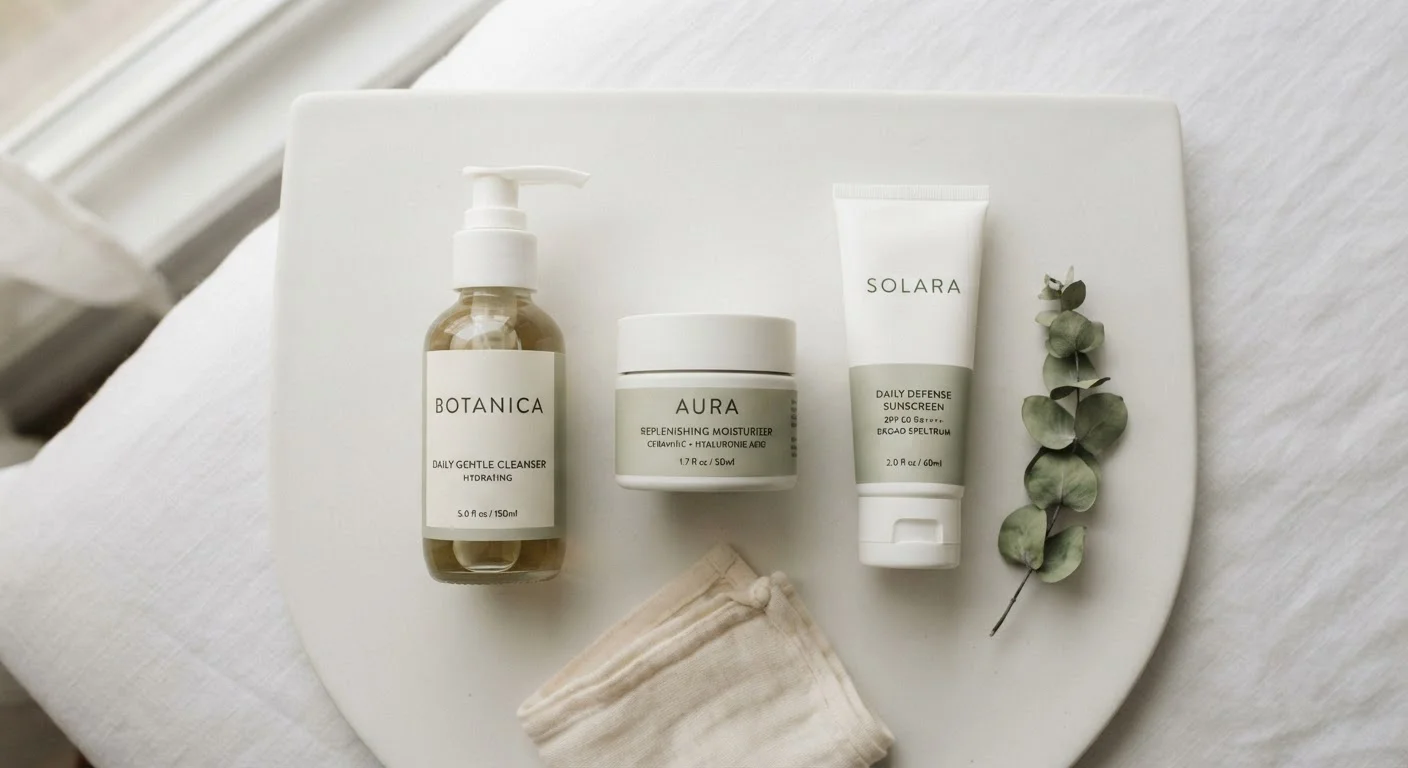
Before adding serums, toners, or exfoliants, every effective routine is built on three non-negotiable steps:
- Cleanser: Removes excess oil, sweat, pollutants, and product residue that accumulate on skin throughout the day. A gentle, pH-balanced cleanser is suitable for most skin types and won't strip the skin barrier the way harsh soaps can.
- Moisturizer: Replenishes water content in the outer skin layer and helps seal in hydration. Even oily skin benefits from a lightweight, non-comedogenic (meaning it won't clog pores) moisturizer — dehydrated skin often overproduces oil to compensate.
- Broad-spectrum sunscreen (SPF 30 or higher): Daily UV protection is arguably the single most evidence-backed skincare habit. UV radiation is a primary driver of premature skin aging, hyperpigmentation, and skin cancer risk. Apply it every morning, rain or shine, as the last step in your routine.
Start Simple, Stay Consistent
Resist the urge to buy a full routine at once. Start with just a cleanser, moisturizer, and sunscreen for the first four weeks. This gives your skin time to adjust and makes it much easier to identify what's working before you add anything new.
Understanding how these steps interact with product layering becomes important once you're ready to add more. See our guide on layering skincare products correctly for a deeper look at product order principles.
Understanding Your Skin Type
Skin type shapes which formulas feel comfortable and perform well for you. The five commonly recognized types are:
Oily skin
Skin that produces excess sebum (the skin's natural oil), often appearing shiny and being prone to enlarged pores and breakouts.
Dry skin
Skin that produces less oil and has difficulty retaining moisture, often feeling tight, rough, or flaky.
Combination skin
Skin that is oily in some areas (typically the forehead, nose, and chin — the T-zone) and drier in others, such as the cheeks.
Sensitive skin
Skin that reacts easily to products, environmental factors, or temperature changes, often showing redness, stinging, or irritation.
Non-comedogenic
A product formulated to avoid blocking pores, making it less likely to contribute to blackheads or acne.
Skin barrier
The outermost layer of skin that keeps moisture in and environmental irritants and pathogens out. Keeping it intact is central to healthy skin.
If you're unsure of your skin type, a simple method is to wash your face with a gentle cleanser, pat dry, and observe your skin after 30 minutes without applying anything. Shine across the whole face suggests oily skin; tightness or flaking suggests dry; both together in different zones suggests combination. Visible redness or reactivity is more characteristic of sensitive skin.
For a detailed breakdown of what tends to help or hinder each type, skincare for different skin types covers oily, dry, combination, and sensitive skin in practical terms.
Building Morning and Evening Routines
Skincare has a natural morning/evening rhythm because your skin's needs differ across the day:
Morning Routine
- Cleanse — A gentle rinse or light cleanse removes overnight oil and product residue.
- Moisturize — Apply while skin is still slightly damp to lock in hydration.
- Sunscreen — Always last. Give it a minute or two to settle before applying makeup.
Evening Routine
- Cleanse — This is your more thorough cleanse, removing sunscreen, makeup, and daily buildup.
- Treatment step (optional) — If you use a targeted product like a retinoid or prescription treatment, apply it here on clean skin, as directed by your dermatologist.
- Moisturize — A slightly richer formula at night can support the skin's natural repair processes during sleep.
If your skin feels comfortable with this framework after a few weeks, you have a solid foundation. Don't rush to add more steps — consistency with the basics delivers more value than occasional use of a complex routine.
When and How to Add More Products
Once your core routine feels stable and your skin is comfortable, you can consider targeted additions: a chemical exfoliant (like an AHA or BHA) for texture, an antioxidant serum for additional environmental protection, or a dedicated eye cream if that's a priority. However, adding products too quickly is one of the most common reasons routines backfire.
The rule of thumb: introduce one new product at a time, wait at least two to three weeks before adding another, and watch how your skin responds. Before adding anything, it's worth running a routine audit to make sure your current steps are working well together.
Also patch test every new product before applying it to your full face — this quick precaution can prevent widespread irritation. Our article on patch testing a new skincare product walks through the method. If your skin begins reacting negatively — breakouts, persistent dryness, or sensitivity — doing too much may be the issue. See when a skincare routine causes more problems than it solves for guidance on identifying routine missteps.
If you're also building habits in other areas, a beginner's grooming routine pairs well with this skincare foundation for a broader head-to-toe approach.