

Key Takeaways
Why Insulation Myths Are Expensive
Insulation is one of the most cost-effective systems in any home, yet it's also one of the most widely misunderstood. Homeowners acting on bad information often spend money in the wrong places — adding layers where none are needed, ignoring areas that desperately need attention, or skipping insulation entirely because they live somewhere warm. The result is higher energy bills, moisture problems, and preventable structural damage.
Just like popular gardening advice that sounds logical but isn't backed by evidence, insulation myths persist because they contain just enough surface-level logic to feel believable. Clearing them up is a practical first step to managing your home smarter.
Myth
Insulation is only necessary if you live in a cold climate.
Fact
Insulation works in both directions — it keeps heat out in summer just as effectively as it keeps heat in during winter.
Thermal resistance doesn't care about direction. In hot climates, insulation slows heat from the roof and walls from entering living spaces, reducing how hard your air conditioner has to work. The U.S. Department of Energy consistently lists insulation as a high-priority upgrade for warm-climate homes, not just cold ones. Skipping insulation because of where you live is one of the most reliably expensive misconceptions homeowners carry.
Myth
More insulation is always better, so piling it on top of old insulation is a smart move.
Fact
Adding insulation over damaged, compressed, or moisture-affected material traps existing problems and may reduce overall performance.
Old insulation that has been flattened, soaked, or contaminated with mold loses much of its thermal resistance. Laying new material on top doesn't fix the underlying issue — it hides it. Moisture trapped between layers can accelerate structural decay and encourage mold growth. Before adding any new insulation, existing material should be inspected and replaced if compromised. In attics, proper ventilation should also be confirmed before topping up.
Myth
Insulation and vapor barriers are the same thing.
Fact
Insulation resists heat flow; vapor barriers resist moisture movement. They serve completely different functions and are not interchangeable.
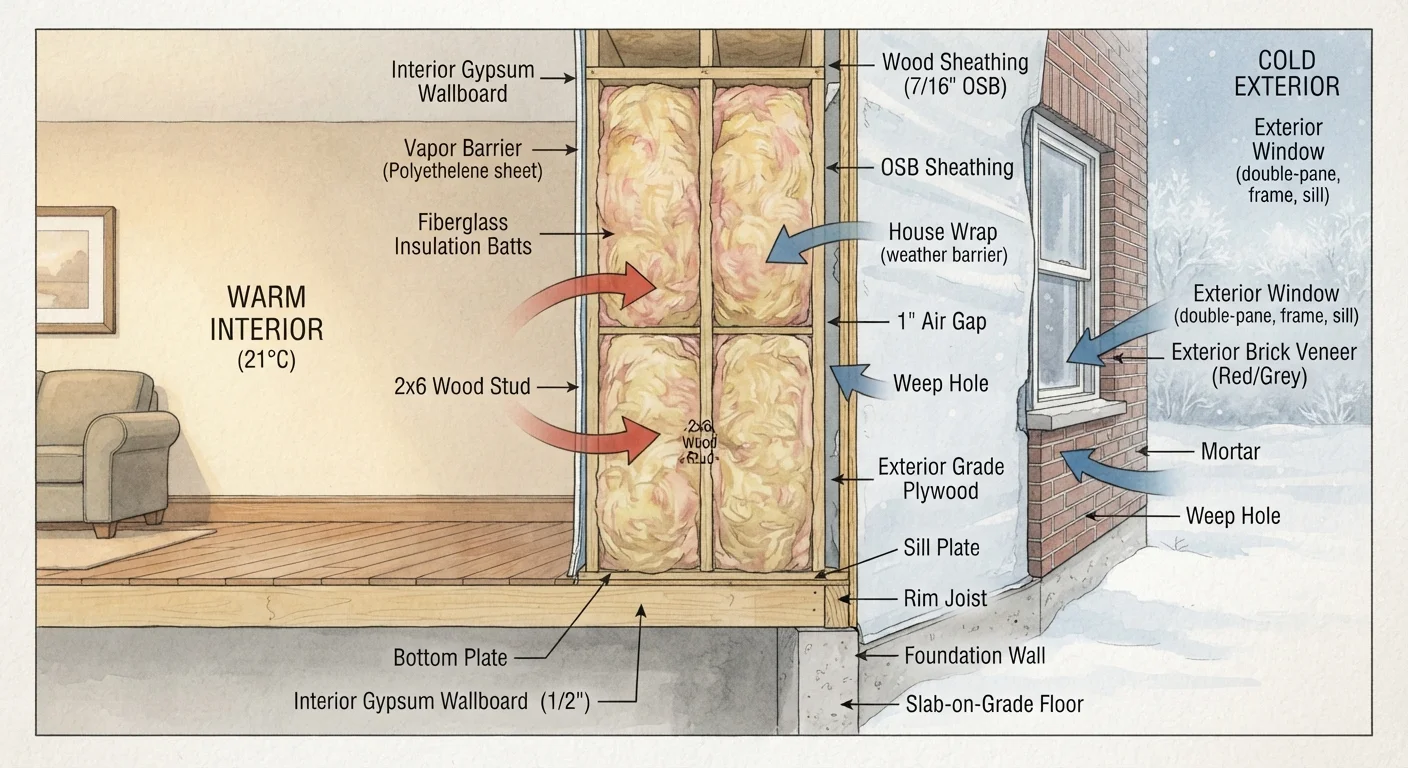
Confusing these two systems leads to incomplete installations. A vapor retarder (the more precise term used in building science) controls where moisture condenses within a wall or ceiling assembly. Without the correct vapor management strategy for your climate zone, even well-insulated walls can accumulate moisture over time, degrading insulation performance and causing rot. Installation requirements vary significantly by region, so local building codes and a qualified contractor should guide your approach.
Myth
Once insulation is installed, it doesn't need any attention for the life of the home.
Fact
Insulation can degrade, settle, become contaminated, or be disturbed by renovations — periodic inspection is worthwhile.
Fiberglass batts can be compressed by stored items in attics, reducing their effective R-value. Blown-in cellulose can settle over decades. Pest activity, roof leaks, and plumbing failures can saturate insulation without obvious exterior signs. It's reasonable to visually inspect accessible insulation every several years and after any significant water event or renovation. A qualified professional should assess areas that are difficult to reach safely.
Myth
A high R-value product guarantees a well-insulated home.
Fact
Installation quality matters as much as the material's rated R-value — gaps, compression, and poor coverage significantly undercut performance.
Even a small gap in an insulation layer can allow significant heat transfer, a phenomenon sometimes called thermal bypass. Batts that are stuffed around obstacles rather than properly cut, or blown-in material applied at below-specification depths, perform far below their rated values. The Building Science Corporation and similar research bodies have documented that real-world insulation performance routinely falls short of lab-rated values when installation is inconsistent. Hiring experienced installers and verifying coverage depth is as important as the product specification itself.
What Homeowners Should Do Instead
Getting insulation right starts with a whole-house perspective. Before adding any new material, have a qualified energy auditor or insulation contractor assess your current situation. They can identify air leaks, check existing R-values (a measure of thermal resistance — the higher the number, the better the insulation resists heat flow), spot moisture damage, and recommend where improvements will have the greatest impact.
Don't Disturb Older Insulation Without Testing
Homes built before 1980 may contain insulation materials that include asbestos, particularly in loose-fill or pipe-wrap forms. If you're unsure of the age or composition of existing insulation, do not disturb it. Have a qualified inspector test the material before any removal or renovation work begins. This is a situation where professional guidance is essential, not optional.
Air sealing and insulation work best together. Sealing gaps around outlets, plumbing penetrations, attic hatches, and rim joists before adding insulation significantly improves performance. In many cases, air sealing alone delivers noticeable energy savings.
If you're buying or renovating an older home, don't assume insulation is adequate just because some is visible. Many homes built before the 1980s have far less insulation than current energy codes require. A professional assessment gives you a clear, accurate baseline — and helps you prioritize spending where it actually matters. Just as it pays to question common car maintenance myths, questioning what you think you know about insulation can prevent genuinely costly mistakes at home.