

Key Takeaways
What 'Protective' Actually Means
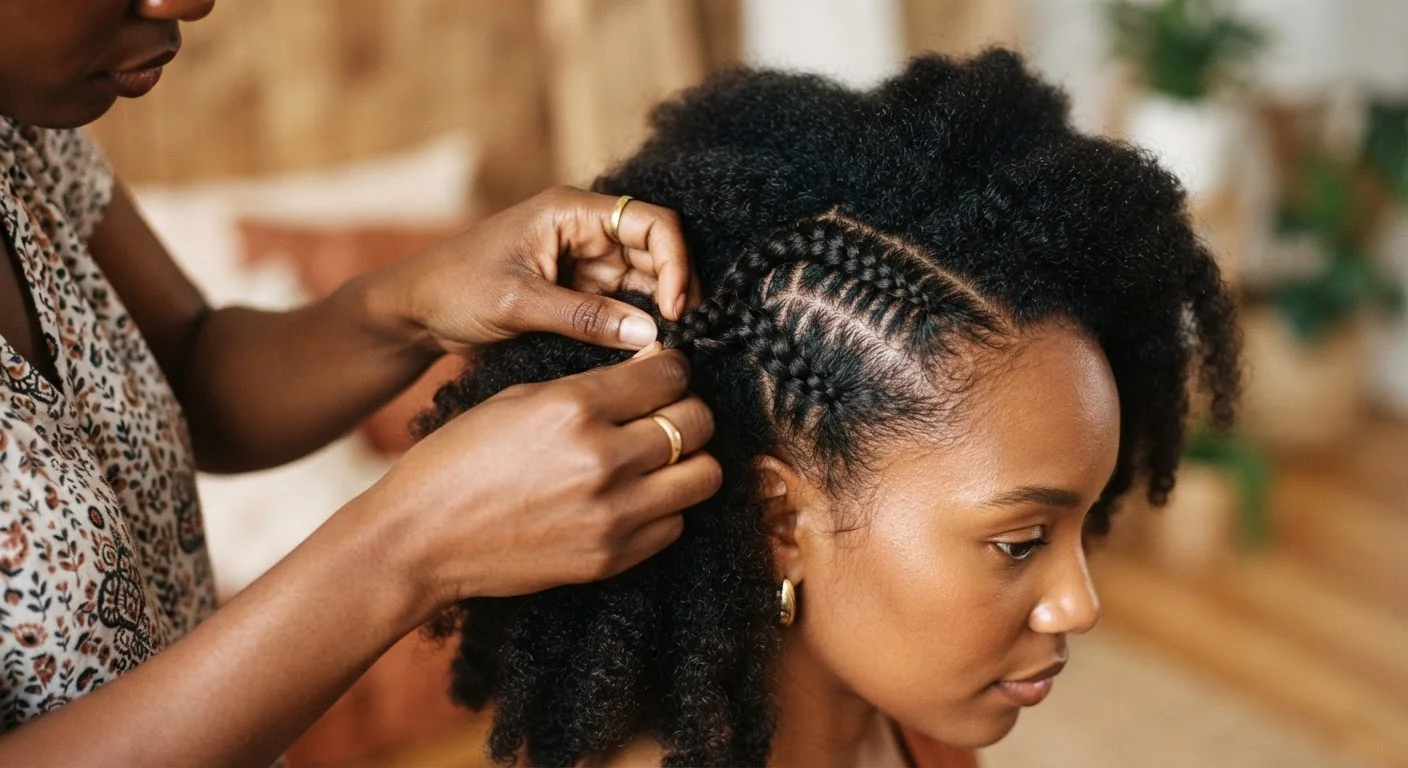
A protective style tucks the ends of natural hair away, reducing daily manipulation, friction, and environmental exposure. Styles like box braids, twists, cornrows, locs, and crochet styles all fall into this category. The logic is straightforward: hair ends are the oldest, most fragile part of each strand, and shielding them limits breakage and supports length retention.
But the word protective is often misunderstood as meaning hands-off entirely. In reality, the hair and scalp underneath still require consistent attention. Neglecting moisture, scalp care, or tension while in a style can lead to breakage, dryness, and in some cases, preventable hair loss. Understanding what protection actually requires is the first step toward making these styles work for you.
For broader context on how external and internal factors shape hair health, see how diet, environment, and care habits affect hair.
Preparation Before You Install
How you prepare your hair before a protective style determines much of what happens to it during the weeks it's in. Installing a style on dirty, dry, or weakened hair essentially locks in those problems.
One often-overlooked step is addressing scalp condition before installation. A flaky, oily, or irritated scalp won't improve while covered — it typically worsens. Scalp health directly shapes hair strength and growth, so resolving any issues before installing gives your hair the best foundation to work from.
Caring for Hair While the Style Is In
The duration of a protective style is where most damage actually occurs — not because the style itself is harmful, but because care routines tend to drop off. A few targeted habits make a significant difference.
Tension deserves particular attention. Tight installation at the roots may look neater initially, but consistent pulling on the follicle is one of the most common causes of traction alopecia — a form of gradual hair loss at the edges and temples. If your edges feel tender or you notice small bumps around your hairline, those are early warning signs. For more detail on how hairstyle tension contributes to damage, learn about the patterns behind traction-related hair loss.
Protective styles also need a time limit. Most stylists and trichologists suggest a maximum of six to eight weeks for most styles. Leaving braids or twists in longer risks matting, severe dryness, and breakage when the style is eventually removed.
Takedown and Recovery
Removing a protective style incorrectly can undo much of the retention benefit it provided. Rushing the takedown — especially by pulling or cutting through knots — causes unnecessary breakage at the very ends you were protecting.
Saturating the hair with a slip-rich conditioner or detangling product before removal softens the strands and reduces friction. Work section by section from ends to roots, using fingers before reaching for a comb or brush. Expect some shedding: normal daily hair shed (roughly 50 to 100 strands) accumulates while hair is contained, so the amount released during takedown may look alarming but is often within a normal range.
After removal, a gentle clarifying wash followed by a deep conditioning treatment helps reset moisture balance before deciding on a next style. To evaluate what your routine might be missing between styles, a structured hair care audit can help identify gaps in moisture, scalp care, or breakage management.
This article is for general informational purposes only and is not a substitute for advice from a qualified dermatologist or trichologist. If you are experiencing significant hair loss or scalp concerns, consult a healthcare professional.