

Key Takeaways
Scalp Health
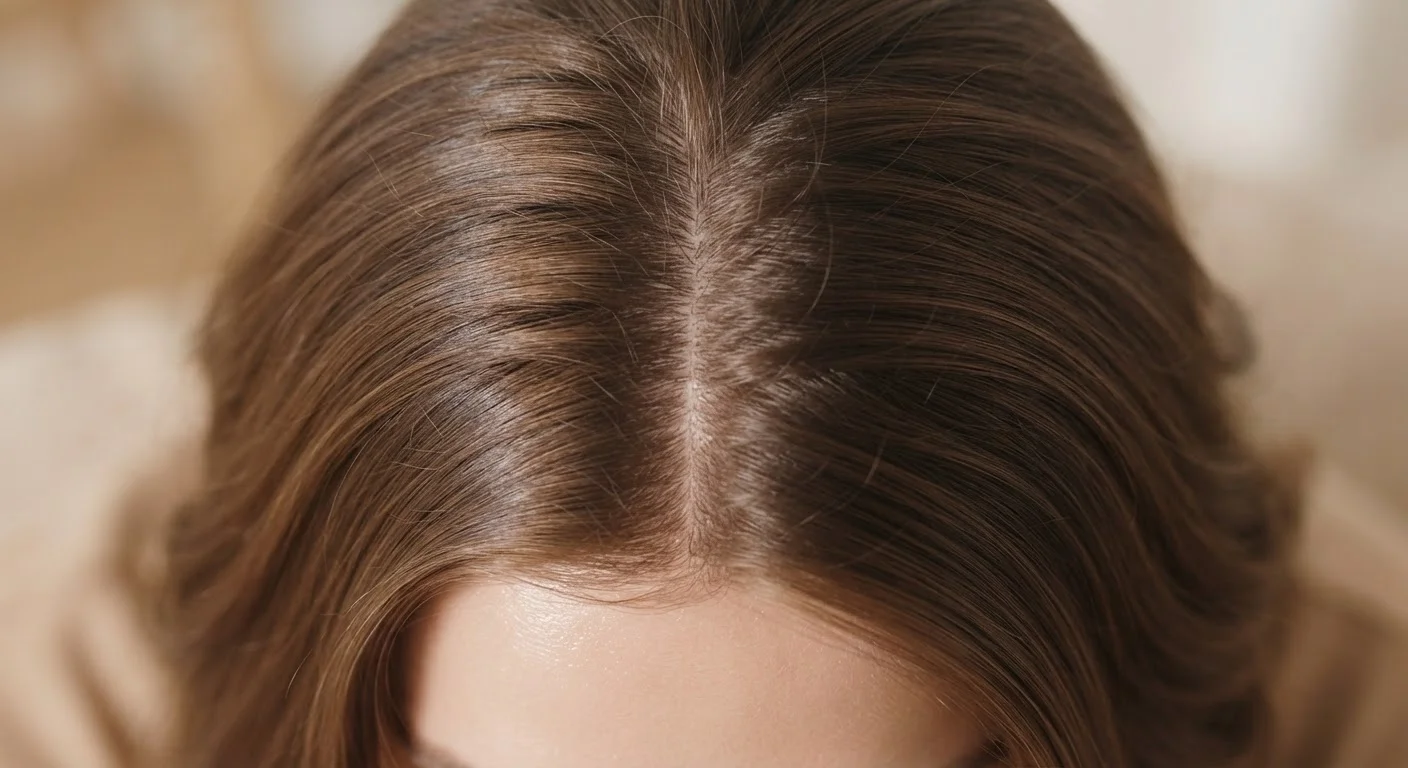
Scalp health refers to the condition of the skin on top of your head — its moisture balance, cleanliness, circulation, and microbial environment. Because every hair strand grows from a follicle rooted in the scalp, the quality of that skin directly influences how hair grows, how strong it is, and how it looks over time. A well-functioning scalp tends to support consistent hair growth and minimize issues like excessive shedding or breakage at the root.
The scalp contains a higher density of sebaceous (oil) glands than most other areas of skin, and hosts its own microbiome — a community of microorganisms that, when balanced, helps protect against irritation and infection.
Your Scalp Is Skin — Treat It That Way
Most people focus their hair care routine on the strands themselves — the lengths, the ends, the shine. But every strand begins at the scalp, and the condition of that skin sets the stage for everything that follows. The scalp is one of the most sebaceous-gland-dense areas of the body, meaning it produces oil actively and continuously. It also supports a microbiome, experiences environmental exposure, and can become inflamed, congested, or irritated just like skin anywhere else on your body.
Understanding your scalp as skin — not just a base for your hair — shifts how you approach care. The same core principles that apply to facial skin apply here: balanced cleansing, adequate moisture, protection from damage, and attention to early signs of imbalance. For a broader look at how skin-care fundamentals translate across the body, explore skincare basics as a foundation.
Start with a Scalp Assessment
Before adding any new products, take a few minutes to evaluate your scalp's current state. Is it oily, dry, flaky, or somewhere in between? Does it feel tight, itchy, or comfortable after washing? Identifying your scalp type is the most useful first step — it guides product selection, wash frequency, and whether to add targeted treatments. Adjust one variable at a time so you can track what actually makes a difference.
How Scalp Condition Affects Hair Growth
Hair grows from follicles — small structures embedded in the dermis layer of the scalp. When the scalp environment is compromised, follicle function can be affected. Chronic inflammation, whether from conditions like seborrheic dermatitis or from repeated mechanical irritation, can disrupt the normal hair growth cycle. Product buildup — layers of dry shampoo, heavy styling agents, or silicone-based conditioners applied without thorough cleansing — can block follicle openings and impede healthy growth over time.
Oil production matters too. An overly dry scalp can lead to irritation and flaking; an excessively oily one can create an environment where fungal overgrowth thrives. Neither extreme supports optimal hair growth. The goal is a scalp that's clean, lightly moisturized, and minimally inflamed — conditions under which follicles can cycle through their growth phases without interference.
For more on the factors influencing how hair grows, read about everything that affects hair health, from diet to environment.
50–100
Hairs shed daily in a normal cycle
This is the widely cited range from dermatological guidance; shedding within this window is considered part of normal hair cycling, not a sign of scalp dysfunction.
~100,000
Follicles on the average human scalp
Dermatological literature estimates the average adult scalp contains roughly 100,000 hair follicles, each cycling independently through growth, rest, and shedding phases.
3x
Higher sebaceous gland density than body skin
The scalp has a notably higher concentration of oil-producing sebaceous glands compared to most other body skin areas, making oil management central to scalp health.
Scalp Care Across Different Hair Types and Textures
Scalp care isn't one-size-fits-all, and that's particularly important to acknowledge across diverse hair textures. People with tightly coiled or kinky hair often have naturally drier scalps — partly because the shape of the hair strand makes it harder for sebum to travel down from the follicle. This can mean less frequent washing is appropriate, along with targeted moisture support between wash days.
Those with fine, straight hair may find their scalp produces visible oil quickly and benefits from more regular cleansing. People with color-treated or chemically processed hair need to balance scalp cleanliness with protecting already-stressed strands. Regardless of texture, the scalp should feel comfortable — not itchy, tight, flaky, or painful. Discomfort is a signal worth paying attention to.
If you're building or refining a routine around your specific hair type, building a hair care routine from scratch offers a practical, adaptable framework.
Warning Signs and When to Seek Professional Guidance
Many scalp issues are common and manageable with adjustments to your routine. Mild flaking, occasional itchiness, or temporary excess oiliness often respond to changes in product choice or wash frequency. But some symptoms deserve professional evaluation. Persistent or painful inflammation, significant hair loss in patches, or a scalp that doesn't respond to gentle care changes may indicate conditions — such as psoriasis, alopecia, or fungal infections — that benefit from medical diagnosis and treatment.
It's worth noting that hair shedding is a normal part of the hair growth cycle. Most people lose between 50 and 100 hairs per day. Understanding what normal hair loss looks like — and when patterns shift — can help you decide if a conversation with a dermatologist or physician is warranted.
This article is for informational purposes only and is not medical advice. If you are experiencing scalp pain, significant hair loss, or symptoms that concern you, please consult a qualified healthcare professional.