

Key Takeaways
How Nutrition Shapes Hair Growth
Hair follicles are among the most metabolically active structures in the body, which makes them highly sensitive to nutritional gaps. Adequate protein intake is foundational—hair is composed almost entirely of a protein called keratin, so insufficient dietary protein can slow growth and increase shedding.
Several micronutrients are particularly relevant. Iron supports the delivery of oxygen to follicle cells, and iron-deficiency anemia is a well-documented contributor to hair thinning, especially in menstruating individuals. Zinc plays a role in follicle repair and the oil glands surrounding each follicle. Biotin (vitamin B7) is often discussed in this context; while true biotin deficiency does affect hair, most people consuming a varied diet are unlikely to be deficient. Vitamins D and B12, as well as omega-3 fatty acids, also appear in hair-health research, though evidence varies in strength.
Extreme caloric restriction or crash dieting can trigger diffuse shedding weeks after the fact—the follicle responds to sudden nutritional stress with a growth-phase interruption. The relationship between food and hair is explored further in our guide on nutrition basics.
If you suspect a nutritional deficiency is affecting your hair, get blood work done before supplementing—excess intake of fat-soluble vitamins like vitamin A can actually worsen shedding.
Supplementing without a confirmed deficiency adds cost and risk. Fat-soluble vitamins accumulate in the body and can cause toxicity, including hair loss at very high intake levels.
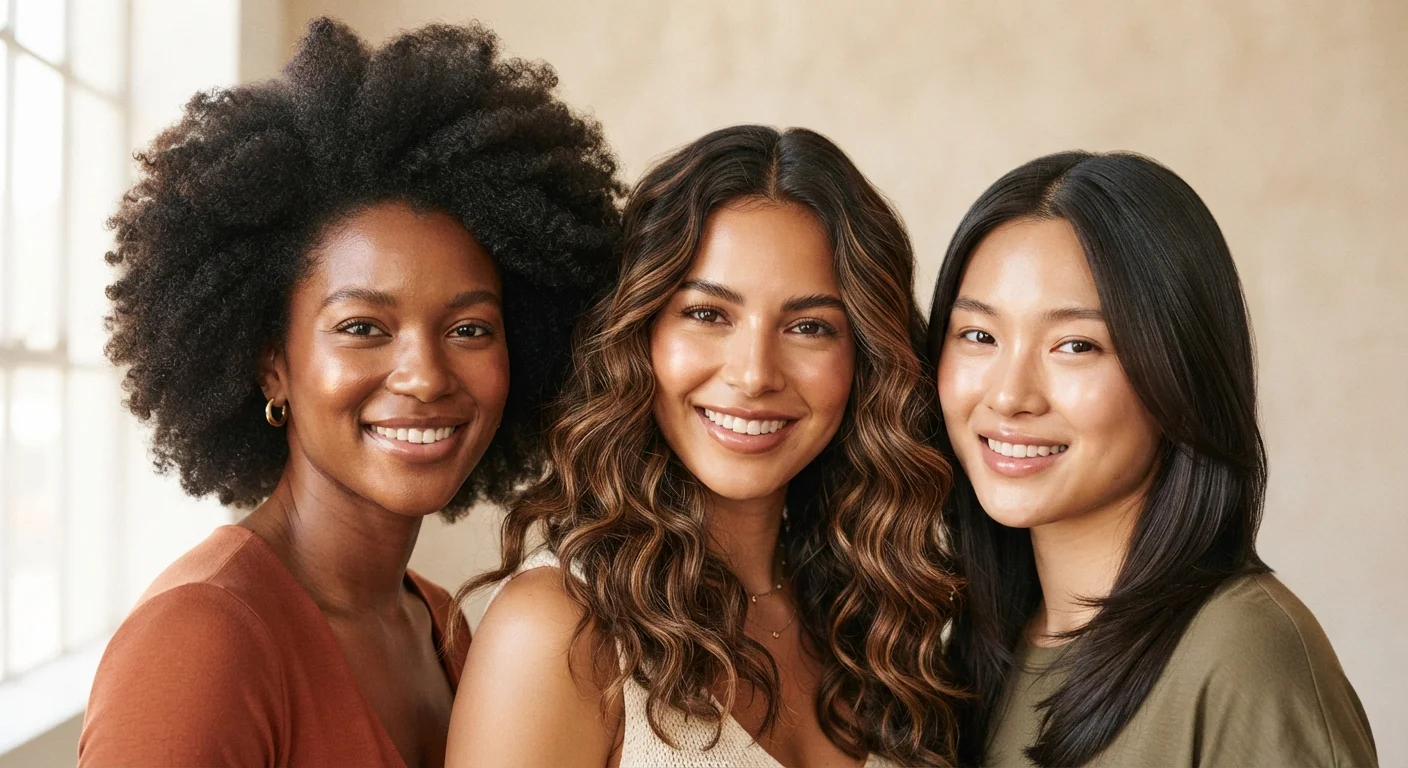
For coily and tightly textured hair, prioritize moisture retention over frequency of cleansing—the natural curl pattern slows sebum distribution down the shaft, making this hair type inherently drier.
The structural geometry of tightly coiled hair means scalp sebum travels less efficiently along the strand, resulting in drier ends and increased breakage risk if cleansing strips moisture too frequently.
Stress, Sleep, and the Hair Growth Cycle
Hair grows in cycles: anagen (growth), catagen (transition), and telogen (resting/shedding). Significant physical or psychological stress can push a large number of follicles into the telogen phase prematurely—a condition called telogen effluvium. Shedding typically peaks two to three months after the stressor, which can make the cause difficult to identify.
Chronic elevated cortisol (the primary stress hormone) has also been associated with disrupted scalp circulation and potential impacts on follicle signaling. Sleep is when much of the body's cellular repair occurs, and consistently poor sleep may compound these effects over time.
For a fuller look at what distinguishes normal daily shedding from patterns worth investigating, see our article on understanding hair loss.
Water Quality and Environmental Factors
The water you wash with matters more than most people expect. Hard water—water with high concentrations of dissolved calcium and magnesium—leaves mineral deposits on the hair shaft that can increase friction, reduce elasticity, and make hair feel rough or dull over time. Chelating shampoos (formulated to bind and remove mineral buildup) can help counteract this effect with periodic use.
Environmental exposures add another layer. UV radiation degrades the cuticle proteins on the outer hair shaft, leading to dryness, fading in color-treated hair, and increased breakage. Chlorine in swimming pools strips the hair's natural lipid layer, while salt water from the ocean creates osmotic stress that draws moisture out of the strand. Air pollution deposits particulate matter on the scalp, which may contribute to inflammation over time.
Climate also plays a role: humid environments help hair retain moisture, while arid or cold climates can increase static, frizz, and brittleness. Adjusting your routine seasonally is a practical response to these fluctuations.
Don't Ignore Hard Water if You've Tried Everything
Mineral buildup from hard water can make hair feel rough, look dull, and resist conditioning—even when your routine is otherwise solid. If you've adjusted products and technique without improvement, your water supply may be worth investigating. A chelating or clarifying wash used periodically can help remove deposits. Check whether your area has hard water through your local utility's water quality report.
Mechanical and Chemical Stressors
Physical handling is one of the most controllable factors in hair health. Aggressive towel-drying, tight elastic bands, excessive brushing on wet strands, and hairstyles that place persistent tension on the follicle (such as very tight ponytails or braids worn for extended periods) all contribute to structural damage and, in the case of traction, can cause follicle stress over time.
Heat styling tools denature the proteins within the hair shaft at temperatures above roughly 300°F (150°C). The damage is cumulative and irreversible at the strand level—new growth is unaffected, but existing hair becomes progressively more fragile. Using a heat protectant product creates a barrier that slows heat transfer; lower temperature settings reduce risk further.
Chemical treatments—relaxers, bleach, perms—alter the disulfide bonds in keratin. Overlapping treatments onto previously processed hair, or combining multiple chemical services in a short timeframe, significantly increases breakage risk. A hair care routine built from scratch should account for any chemical processing history.
Scalp Health: The Foundation of Everything
Healthy strands originate from a healthy scalp. The scalp is skin, and it's subject to many of the same concerns: excess oil (sebum) production, dryness, inflammation, and microbial imbalance. Dandruff—typically associated with an overgrowth of the yeast Malassezia—is one of the most common scalp conditions and can affect the follicular environment if left unaddressed.
Scalp circulation supports nutrient delivery to follicles. Gentle scalp massage has been studied in small trials for its potential to support this, though it should be understood as one modest, low-risk tool rather than a standalone solution. Over-cleansing strips protective sebum; under-cleansing allows product and sebum accumulation that can block follicles. The right cleansing frequency is highly individual and depends on hair texture, sebum production rate, and activity level.
Scalp care is also part of the broader grooming picture—see our daily grooming checklist for the scalp and body care steps many people skip.
Putting It All Together
Hair health is a downstream reflection of multiple upstream inputs: what you eat, how you manage stress, the water and climate you live in, and how you physically handle your hair day to day. No single product or technique operates in isolation from these factors.
The most effective approach is systematic: audit what you're doing consistently, identify the variables most likely affecting your results, and make incremental adjustments rather than overhauling everything at once. A weekly hair care audit can help you spot the specific gaps in your routine before they become bigger problems.
If you notice rapid or significant changes in shedding, scalp condition, or hair texture that don't respond to routine adjustments, these can sometimes signal underlying health changes worth discussing with a healthcare provider. Hair and nails often reflect what's happening inside the body—a parallel worth noting given that nail health operates by similarly interconnected principles.
This article is for general informational purposes only and is not a substitute for professional medical advice. If you have concerns about hair loss or scalp conditions, consult a qualified healthcare professional.