

Key Takeaways
Why Tension Is a Silent Hair Loss Driver
Unlike heat damage or chemical processing, traction-related hair loss doesn't announce itself with visible breakage right away. It builds gradually — follicle by follicle — until the damage becomes difficult to reverse. The condition it leads to, traction alopecia, is one of the most commonly seen forms of preventable hair loss, particularly among people who frequently wear tight protective styles, extensions, or sleek updos.
Understanding which habits place the most mechanical stress on your hair and scalp is the first step toward protecting your edges and overall strand integrity. The mistakes below are worth knowing regardless of your hair texture or styling routine. For a broader picture of what influences hair health beyond styling, see this end-to-end guide on hair health factors.
Wearing tight ponytails, buns, or slicked styles every day without variation.
Why it happens: These styles are quick, polished, and widely considered low-maintenance — making them the default for many people. The cumulative tension they place on the same follicles daily goes unnoticed until damage is already underway.
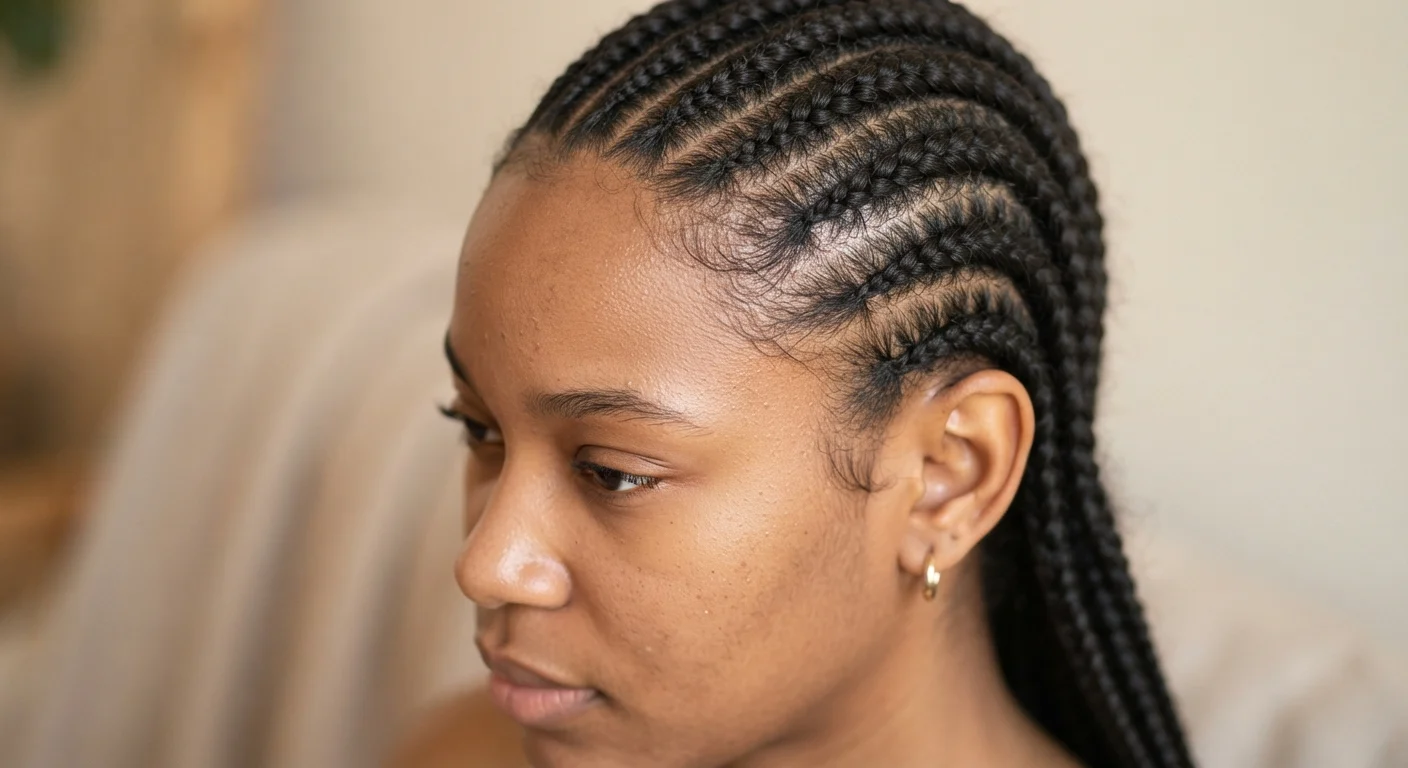
Installing braids, locs, or extensions that are too tight at the root.
Why it happens: A common misconception is that tighter installation means longer-lasting results. Stylists may also apply more tension than necessary, and clients may not realize they can — and should — speak up if the style causes discomfort.
Leaving extensions, braids, or weaves in far longer than recommended.
Why it happens: Protective styles are often kept in as long as possible to maximize convenience and minimize manipulation. As new growth occurs at the root, the added weight and angle of the extensions pull increasingly on the follicles.
Sleeping without protecting hair from friction and tension.
Why it happens: Cotton pillowcases create significant friction against hair strands throughout the night, and many people simply don't consider nighttime habits as part of their hair care routine.
Detangling hair aggressively while it's dry or without adequate slip.
Why it happens: Time pressure leads many people to rush through detangling, skipping the moisture or conditioner that helps hair shed knots without snapping. Dry detangling in particular places enormous mechanical stress on fragile strands.
Using tight hair ties with metal clasps or rubber bands directly on hair.
Why it happens: These ties are cheap, widely available, and seem harmless. The metal clasps catch and snap individual strands, while rubber bands create a friction point that shears hair over time, especially at the same point repeatedly.
Recognizing the Warning Signs Before Damage Becomes Persistent
The scalp and hairline often signal distress before visible thinning appears. Tenderness or soreness after a style is applied, small follicular bumps (sometimes called traction folliculitis), and a persistent tight feeling are early indicators that the tension is too much. If your edges look shorter, sparser, or fuzzier over time rather than growing, traction could be the cause.
Pain During Styling Is Not Normal
A common misconception is that some discomfort during tight hairstyle installation is expected or a sign the style will last. In reality, pain, tenderness, or scalp soreness after styling is a direct signal that tension has exceeded what the follicles can safely handle. Styles that hurt to wear are causing harm, and the discomfort should not be pushed through or dismissed.
Traction alopecia in its early stages may be reversible with a change in habits. However, prolonged or severe traction can cause scarring of the follicle, leading to permanent hair loss in affected areas. This is why acting on early signs matters. Understanding what normal shedding looks like versus traction-related thinning can help you determine when it's time to seek professional input.
~1 in 3
Women affected by traction alopecia in some demographics
Research published in dermatology literature suggests traction alopecia affects a significant proportion of women in communities where tight styling practices are common, with some studies estimating prevalence of 17–31%.
6–8 weeks
Recommended maximum wear time for braided extensions
Most hair care professionals advise removing or refreshing braided protective styles within this window to prevent root tension buildup and scalp complications.
Styling choices don't exist in isolation — if you're also navigating heat use regularly, it's worth understanding how heat damage compounds structural hair changes alongside tension-related stress. And if protective styles are part of your routine, these guidelines on caring for hair during protective styles explain how to get the retention benefits without the damage risks.
This article is for general informational purposes only and is not a substitute for professional medical or dermatological advice. If you are experiencing persistent hair loss or scalp concerns, please consult a qualified healthcare provider or dermatologist.