

Key Takeaways
Linked to lower cardiovascular disease risk
Large-scale studies consistently associate plant-forward dietary patterns with reduced rates of heart disease, likely driven by lower saturated fat intake, higher fiber, and beneficial phytonutrients.
Supports healthy weight management
Plant-based diets tend to be lower in calorie density while higher in fiber and water content, both of which promote satiety and can support a healthy body weight over time.
May reduce type 2 diabetes risk
Research suggests plant-based eaters have lower fasting blood glucose and insulin resistance markers, though the strength of the effect depends on overall diet quality and food choices.
Promotes gut microbiome diversity
The high fiber content of whole plant foods feeds beneficial gut bacteria, which emerging research links to improved immune function, mood, and metabolic health.
Rich in protective phytonutrients and antioxidants
Vegetables, fruits, legumes, and whole grains contain thousands of bioactive compounds — including polyphenols and carotenoids — that appear to reduce inflammation and oxidative stress.
Vitamin B12 requires supplementation or fortified foods
B12 is found almost exclusively in animal products; deficiency on a fully plant-based diet is a documented risk and can lead to serious neurological and blood health consequences if unaddressed.
Iron and zinc are less bioavailable from plants
Non-heme iron and phytate-bound zinc in plant foods are absorbed at lower rates than animal-derived forms, meaning plant-based eaters may need to consume more, or pair foods strategically to enhance absorption.
Long-chain omega-3s are difficult to obtain
Plants provide only ALA, which converts poorly to EPA and DHA in most people; without fatty fish or algae-based supplements, deficiency in these important fatty acids is a realistic concern.
Calcium sourcing requires deliberate planning
Without dairy, calcium must come from fortified plant milks, specific leafy greens, or tofu — foods that are not always prioritized in typical plant-based eating without conscious attention.
Not automatically healthful if ultra-processed foods dominate
Packaged plant-based snacks, refined grains, and highly processed meat alternatives can technically fit a plant-based framework while carrying many of the same health downsides as low-quality omnivore diets.
Our Verdict
The research supporting plant-based eating is substantial and consistent across multiple health outcomes, particularly cardiovascular and metabolic health. However, the benefits depend heavily on food quality and careful attention to key nutrients that plants supply in limited or less bioavailable forms. A thoughtfully planned plant-based diet can be nutritionally complete for most healthy adults, but it is not a one-size-fits-all solution.
Best for generally healthy adults willing to plan meals carefully and seek professional guidance to address potential nutrient gaps — and for anyone looking to shift their diet incrementally in a more plant-forward direction.
What 'Plant-Based' Actually Means
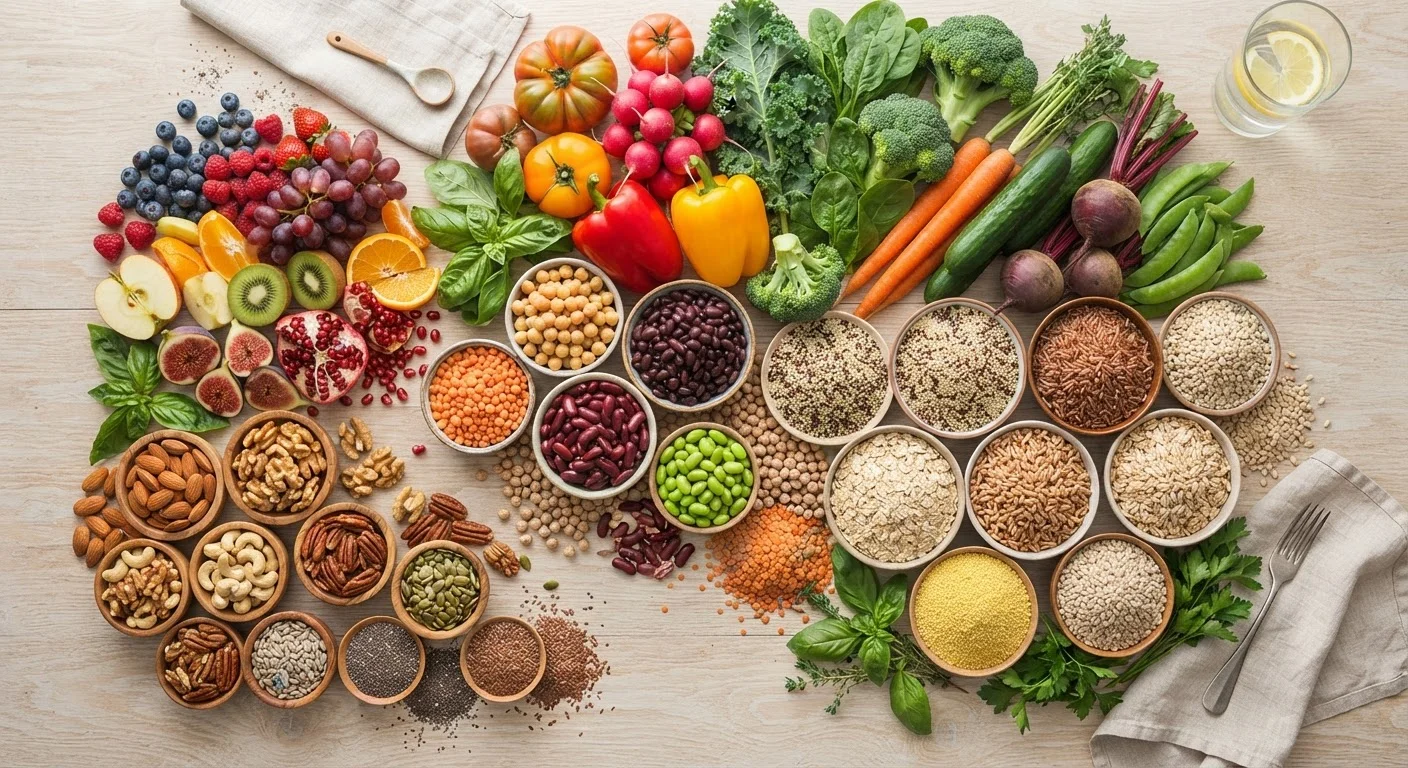
The term plant-based diet is used loosely, which creates real confusion. At its core, it describes an eating pattern that centers vegetables, fruits, whole grains, legumes, nuts, and seeds — while minimizing or eliminating animal products. But unlike veganism, plant-based eating is not necessarily all-or-nothing. Some definitions allow modest amounts of fish, poultry, dairy, or eggs. Understanding where these two approaches diverge is important before drawing conclusions from research, since studies use different definitions.
This matters because much of the evidence comes from dietary patterns like the Mediterranean or DASH diets, which are heavily plant-forward but not strictly plant-exclusive. Evaluating plant-based eating honestly means recognizing that spectrum. A flexitarian approach — mostly plants with occasional animal foods — also carries many of the same documented benefits.
What the Evidence Supports
Linked to lower cardiovascular disease risk
Large-scale studies consistently associate plant-forward dietary patterns with reduced rates of heart disease, likely driven by lower saturated fat intake, higher fiber, and beneficial phytonutrients.
Supports healthy weight management
Plant-based diets tend to be lower in calorie density while higher in fiber and water content, both of which promote satiety and can support a healthy body weight over time.
May reduce type 2 diabetes risk
Research suggests plant-based eaters have lower fasting blood glucose and insulin resistance markers, though the strength of the effect depends on overall diet quality and food choices.
Promotes gut microbiome diversity
The high fiber content of whole plant foods feeds beneficial gut bacteria, which emerging research links to improved immune function, mood, and metabolic health.
Rich in protective phytonutrients and antioxidants
Vegetables, fruits, legumes, and whole grains contain thousands of bioactive compounds — including polyphenols and carotenoids — that appear to reduce inflammation and oxidative stress.
The case for plant-based eating is backed by decades of population research. Large prospective studies consistently find that people who eat predominantly plant-based diets have lower rates of coronary heart disease, type 2 diabetes, hypertension, and certain cancers compared to those eating typical Western diets. A 2019 analysis published in the Journal of the American Heart Association found that higher adherence to plant-based dietary patterns was associated with a meaningfully lower risk of cardiovascular disease.
Fiber deserves particular attention here. Most Americans consume well below the recommended daily fiber intake, and plant-forward diets naturally correct this. Dietary fiber supports gut microbiome diversity, regulates blood sugar, and contributes to satiety. For a practical look at building meals around these principles, see our guide on what a balanced plate actually looks like.
~16%
Lower cardiovascular disease risk in plant-based eaters
A 2019 analysis in the Journal of the American Heart Association found approximately 16% lower cardiovascular disease risk among those with high adherence to plant-based dietary patterns.
< 50%
Americans meeting daily fiber intake recommendations
According to U.S. dietary surveys, fewer than half of American adults meet recommended fiber intake levels — a gap plant-based diets are particularly well-positioned to address.
~23%
Lower type 2 diabetes risk with healthy plant-based diets
Research published in PLOS Medicine found that adherence to a healthy plant-based dietary index was associated with roughly 23% lower type 2 diabetes risk compared to low adherence.
The Genuine Nutritional Considerations
Vitamin B12 requires supplementation or fortified foods
B12 is found almost exclusively in animal products; deficiency on a fully plant-based diet is a documented risk and can lead to serious neurological and blood health consequences if unaddressed.
Iron and zinc are less bioavailable from plants
Non-heme iron and phytate-bound zinc in plant foods are absorbed at lower rates than animal-derived forms, meaning plant-based eaters may need to consume more, or pair foods strategically to enhance absorption.
Long-chain omega-3s are difficult to obtain
Plants provide only ALA, which converts poorly to EPA and DHA in most people; without fatty fish or algae-based supplements, deficiency in these important fatty acids is a realistic concern.
Calcium sourcing requires deliberate planning
Without dairy, calcium must come from fortified plant milks, specific leafy greens, or tofu — foods that are not always prioritized in typical plant-based eating without conscious attention.
Not automatically healthful if ultra-processed foods dominate
Packaged plant-based snacks, refined grains, and highly processed meat alternatives can technically fit a plant-based framework while carrying many of the same health downsides as low-quality omnivore diets.
Shifting toward plant-based eating requires deliberate planning around several nutrients. Vitamin B12 is found almost exclusively in animal products, making supplementation or fortified foods essential for those eating fully plant-based. Iron and zinc from plant sources (non-heme iron, phytate-bound zinc) are absorbed less efficiently than their animal-derived counterparts — a phenomenon nutrition scientists call lower bioavailability. Calcium, long associated with dairy, must be sourced from fortified plant milks, tofu made with calcium sulfate, leafy greens like bok choy, and other foods.
Omega-3 fatty acids are another area requiring attention. Plant foods provide ALA, but the conversion to the more biologically active forms EPA and DHA is inefficient in many people. Algae-based DHA supplements are one option. For a detailed breakdown of how plant and animal proteins compare on completeness and digestibility, the protein sources comparison is worth reviewing.
Special Populations Need Extra Care
Pregnant or breastfeeding individuals, children, older adults, and people managing chronic health conditions face heightened nutritional demands that make plant-based eating more complex to navigate safely. Nutrient needs for iron, calcium, iodine, and omega-3s are particularly elevated during pregnancy and early childhood. Anyone in these groups considering a plant-based diet should work closely with a registered dietitian or physician before making changes.
Quality Still Matters: Not All Plant Foods Are Equal
One of the most important nuances in the research is that plant-based does not automatically mean healthful. Ultra-processed plant foods — packaged snack foods, refined grain products, plant-based meat alternatives high in sodium and additives — can technically fit a plant-based definition while contributing to the same metabolic risks as low-quality omnivore diets. A 2019 study in JAMA Internal Medicine distinguished between healthy plant-based diet indices and unhealthy ones, finding the protective associations held primarily for the quality-focused version.
This means the foundation of a health-supporting plant-based diet is whole and minimally processed foods. Heavily processed convenience products can be an occasional bridge food, but they should not anchor the pattern. For guidance on how to structure meals around sound nutritional proportions, evidence-based meal planning resources can help translate principles into daily practice.
This article is for general informational and educational purposes only and does not constitute medical or dietary advice. Individual nutritional needs vary. Please consult a qualified healthcare provider or registered dietitian before making significant changes to your diet.