

Key Takeaways
Start here
What Flexitarianism Actually Means
Next
The Core Principles of a Flexitarian Plate
Go deeper
What the Evidence Says About This Approach
Watch out for
Practical Considerations and Nutritional Watch Points
Make a decision
Is the Flexitarian Diet Right for You?
What Flexitarianism Actually Means
The word flexitarian blends "flexible" and "vegetarian" — and that combination captures its essence precisely. A flexitarian eating pattern is plant-centered by design, but it doesn't eliminate meat or animal products entirely. Instead, it treats them as occasional additions rather than daily staples.
Unlike strict dietary frameworks with firm rules, flexitarianism has no official definition or governing body. The term is generally understood to describe someone who eats a predominantly plant-based diet most of the time and includes meat, poultry, or seafood periodically — whether a few times a week or a few times a month. That flexibility is intentional and is part of why many people find it approachable.
If you're new to thinking about diet frameworks broadly, this foundational nutrition guide offers a useful starting point before exploring specific patterns like flexitarianism.
Flexitarian
A person who follows a mostly plant-based diet but occasionally eats meat or fish, without strict rules about how often.
Plant-forward eating
An eating style where vegetables, legumes, fruits, and grains make up the majority of meals, even if animal products aren't excluded entirely.
Heme iron
A form of iron found in animal muscle tissue that the body absorbs more readily than the iron found in plant foods.
Complete protein
A protein source that contains all nine essential amino acids the body cannot produce on its own; most animal proteins are complete, while most plant proteins are not individually.
Vitamin B12
A vitamin essential for nerve function and red blood cell production that is found almost exclusively in animal-derived foods.
The Core Principles of a Flexitarian Plate
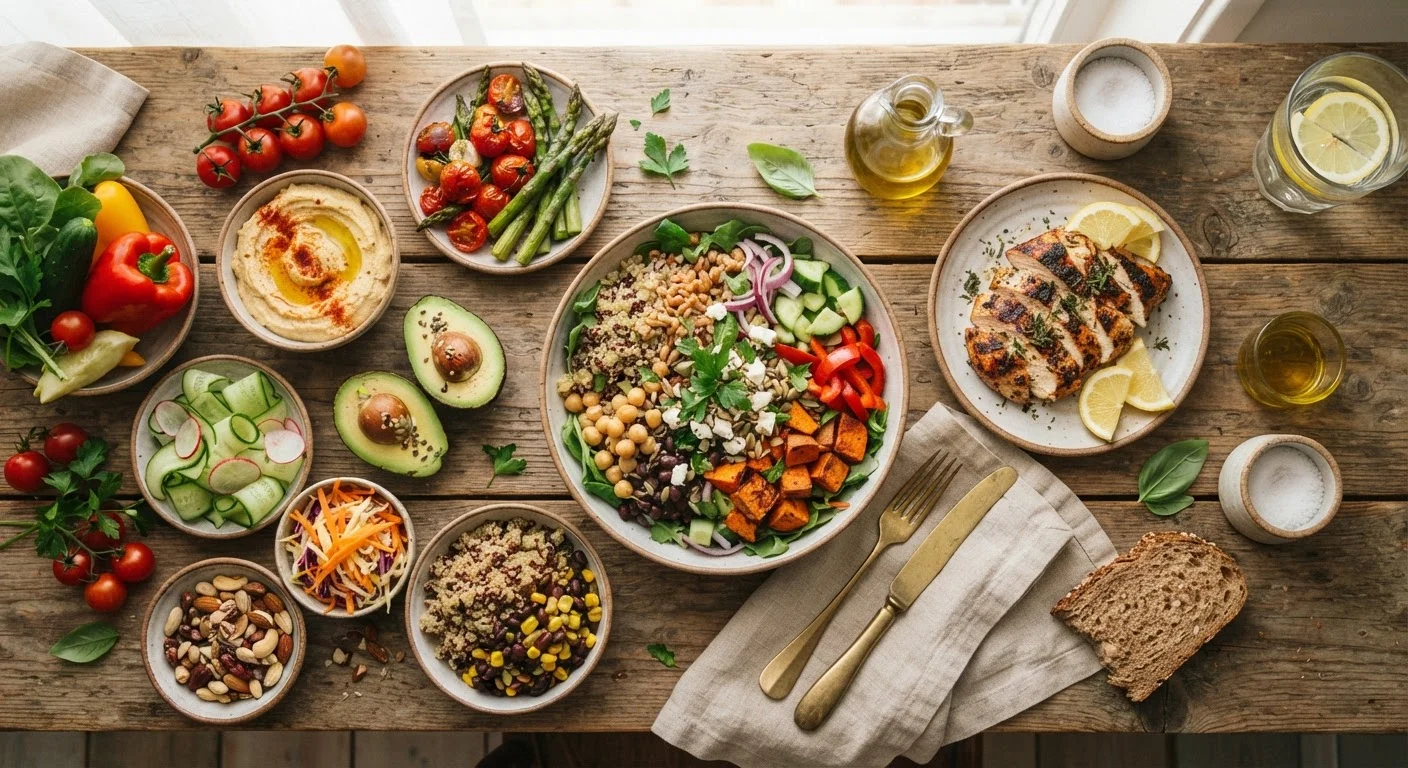
While there's no rulebook, most descriptions of flexitarian eating share a few consistent priorities:
- Plants are the foundation. Vegetables, fruits, legumes, whole grains, nuts, and seeds fill the majority of meals. These provide fiber, micronutrients, and antioxidants that are well-documented in nutrition research.
- Protein comes mostly from plant sources. Lentils, chickpeas, tofu, tempeh, edamame, and beans are common go-to proteins. Eggs and dairy may also feature, depending on personal preference.
- Meat appears occasionally, not daily. When meat is eaten, it tends to be treated as a side element or accent flavor rather than the centerpiece of the meal.
- Minimally processed foods are preferred. The emphasis is on whole ingredients rather than ultra-processed plant-based products, though these aren't explicitly forbidden.
This structure broadly overlaps with eating patterns that nutrition researchers have studied extensively, such as the Mediterranean diet. For a detailed look at the evidence behind plant-forward eating, see what the research actually shows about plant-based diets.
What the Evidence Says About This Approach
Research on plant-heavy dietary patterns — which flexitarianism closely resembles — is substantial, though most large studies focus on vegetarian, vegan, or Mediterranean diets rather than flexitarianism specifically. Findings from these adjacent patterns are frequently cited in context.
Studies suggest that diets with a high proportion of plant foods are associated with lower rates of cardiovascular disease risk factors, better blood glucose regulation, and lower average body mass index compared to typical Western diets. A 2020 review published in Nutrients found that semi-vegetarian and flexitarian diets were linked to improved cardiometabolic markers relative to unrestricted omnivore diets, though the authors noted that study designs varied and causation is difficult to establish.
Environmental research also indicates that reducing meat consumption — even partially — lowers an individual's dietary carbon footprint compared to high-meat diets. This is an appeal for some adopters, though it varies by how much and which types of meat are reduced.
Start with Swap Days, Not Overhauls
If you're new to plant-forward eating, replacing meat in just two or three meals per week is a reasonable starting point. This lets you discover which plant proteins you enjoy without feeling like you're making a permanent or all-or-nothing commitment. Small, consistent shifts tend to stick better than sudden dietary overhauls.
Practical Considerations and Nutritional Watch Points
Flexitarianism's flexibility is a strength, but it also means no automatic safeguard against nutritional gaps. Reducing meat consumption without thoughtful substitution can lower intake of several nutrients:
- Iron: Animal proteins provide heme iron, which is absorbed more efficiently than the non-heme iron in plant foods. Pairing iron-rich plants (lentils, spinach, fortified grains) with vitamin C sources improves absorption.
- Vitamin B12: Found almost exclusively in animal products, B12 is a genuine concern for anyone eating very little meat. Dairy, eggs, or fortified foods can help; a healthcare provider can advise on whether supplementation is appropriate.
- Zinc and Omega-3 fatty acids: Both are more abundant in animal sources. Nuts, seeds (especially flaxseed and chia), and fatty fish on the days you do include seafood can help address these.
- Complete protein: Combining varied plant proteins across the day — beans with grains, for example — supports full amino acid intake.
Nutrition professionals generally look for nutritional completeness as a baseline in any long-term diet plan, and flexitarianism can meet that bar when planned thoughtfully.
Ultra-Processed Plant Foods Aren't Automatically Healthy
Many packaged meat alternatives and plant-based convenience foods are highly processed, high in sodium, and lower in fiber than whole plant foods. Choosing whole or minimally processed ingredients — beans, lentils, tofu, whole grains — gives you better nutritional value than simply swapping animal products for their processed substitutes.
Is the Flexitarian Diet Right for You?
Flexitarianism tends to appeal to people who want to eat more plants for health or environmental reasons but aren't ready — or don't want — to commit to vegetarianism or veganism. Its lack of rigid rules lowers the barrier to entry and makes it easier to maintain through social situations, travel, and changing preferences.
That said, "flexible" doesn't mean effortless. Shifting any eating pattern requires planning, especially around protein sources and nutrient variety. The core principles of balanced nutrition are a useful reference as you build a plant-forward routine.
For those interested in building practical day-to-day habits around this approach, smart meal habits covers strategies for planning and preparing meals more mindfully.
Flexitarianism isn't the right fit for everyone. People with specific health conditions, those managing chronic disease, or individuals in special life stages — such as pregnancy — should work with a registered dietitian or physician before significantly restructuring their diet. This article is general nutrition education and is not a substitute for personalized medical or dietary advice.
This article is for informational purposes only and does not constitute medical or dietary advice. Consult a qualified healthcare professional before making significant changes to your diet, particularly if you have an existing health condition.