

| Color: Red | Stop or act immediately — critical system fault |
| Color: Amber/Yellow | Needs attention soon — non-emergency warning |
| Color: Green/Blue | Informational — system is active or confirmed |
| OBD-II compatibility | Required on all US vehicles sold from 1996 onward (US EPA mandate) |
| Most common CEL cause | Loose or faulty gas cap (evaporative emissions leak) |
| Recommended tire pressure check frequency | Monthly and before long trips (NHTSA guidance) |
Why Dashboard Warning Lights Matter
Modern vehicles monitor dozens of systems simultaneously, and when something falls outside normal parameters, the dashboard communicates that through warning lights. Ignoring them — or misreading them — can turn a minor issue into an expensive repair, or worse, a safety hazard on the road.
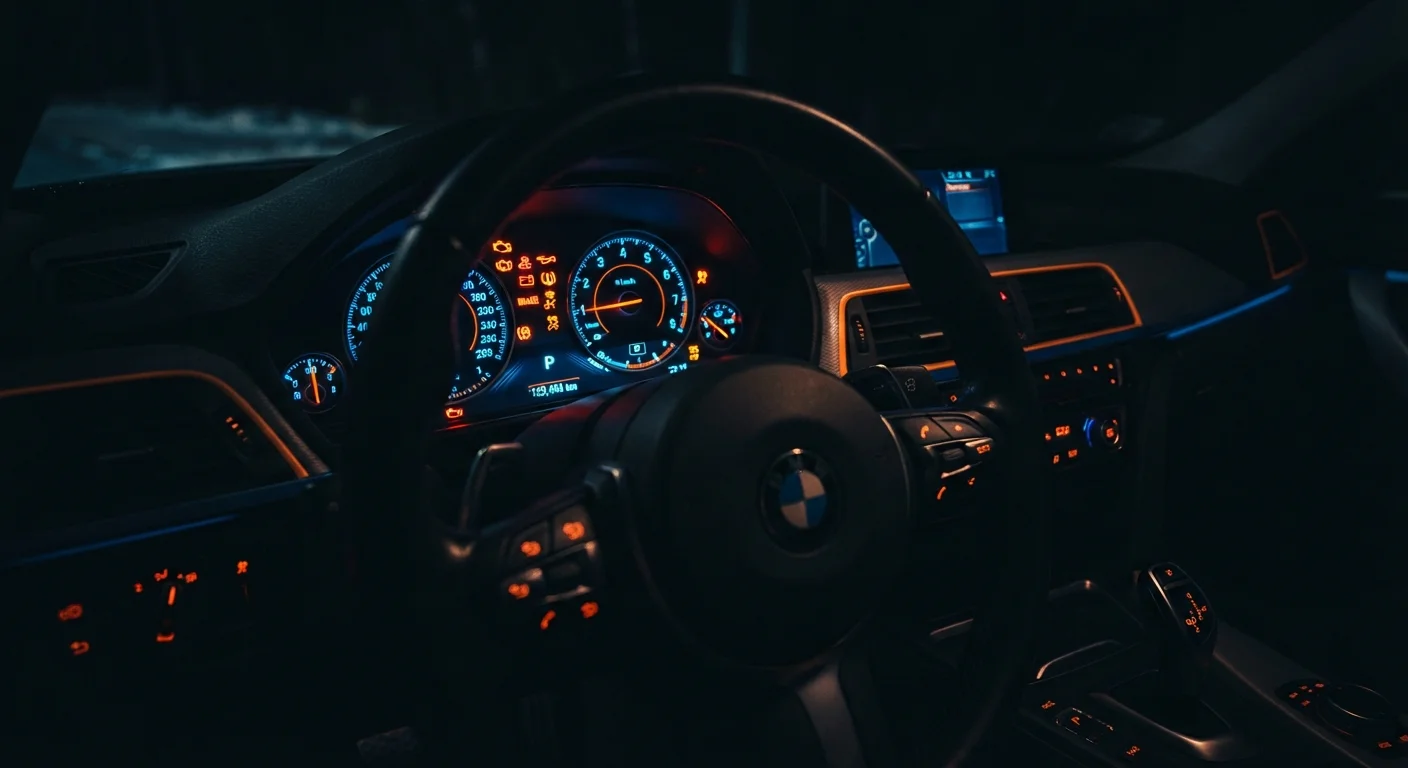
Color is your first clue. Red lights signal urgent problems requiring immediate attention. Yellow or amber lights indicate a condition that needs attention soon but may not require pulling over instantly. Green or blue lights are typically informational — confirming that a system like high beams or turn signals is active. This color hierarchy isn't universal across every manufacturer, but it holds true for the majority of vehicles sold in the US.
For a broader look at keeping your vehicle in top shape, see our routine maintenance guide covering oil changes, tire rotations, and brake checks.
| Color: Red | Stop or act immediately — critical system fault |
| Color: Amber/Yellow | Needs attention soon — non-emergency warning |
| Color: Green/Blue | Informational — system is active or confirmed |
| OBD-II compatibility | Required on all US vehicles sold from 1996 onward (US EPA mandate) |
| Most common CEL cause | Loose or faulty gas cap (evaporative emissions leak) |
| Recommended tire pressure check frequency | Monthly and before long trips (NHTSA guidance) |
The Warning Lights You're Most Likely to See
Understanding what each symbol means — and what action it calls for — is the core of smart vehicle ownership.
Check Engine Light (CEL)
One of the most misunderstood lights on any dashboard. It can mean something as simple as a loose gas cap or as serious as a failing catalytic converter. A steady CEL generally means pull over when it's safe and get a diagnostic scan soon. A flashing CEL is more urgent — it often indicates a misfiring engine that could damage the catalytic converter, and driving should stop as soon as it's safe to do so.
Oil Pressure Warning
This red light — often resembling an old-fashioned oil can — signals that oil pressure has dropped dangerously low. Low oil pressure can cause rapid, severe engine damage. Pull over safely and shut off the engine as soon as possible. Check the oil level; if it's adequate, the problem may be a failing oil pump, which requires professional attention immediately.
Battery / Charging System Warning
A red battery icon indicates the vehicle's electrical system isn't charging properly. The car may continue running on battery reserve for a short time, but electrical systems will begin failing. Reduce electrical load and head to a service center promptly — do not assume the car will make a long trip.
Tire Pressure Monitoring System (TPMS)
An amber light depicting an exclamation mark inside a tire cross-section means one or more tires is significantly under-inflated. Check tire pressures when it's safe. Driving on seriously underinflated tires increases blowout risk and degrades handling — particularly relevant in emergency situations. Our warning lights decoded reference covers TPMS and other common symbols in detail.
Temperature Warning
A red thermometer light means your engine coolant is overheating. Pull over safely, turn off the engine, and do not open the radiator cap while the engine is hot. Continuing to drive an overheating engine can cause permanent damage. Allow the engine to cool completely before checking coolant levels.
Brake Warning Light
If this appears while the parking brake is released, it could signal low brake fluid or a fault in the braking system. Braking performance may be compromised. Reduce speed carefully and stop driving until the system has been inspected by a qualified mechanic.
OBD-II
On-Board Diagnostics II — a standardized system built into most US vehicles manufactured after 1996 that monitors engine and emissions performance. Mechanics use a scanner to read fault codes stored by this system.
TPMS
Tire Pressure Monitoring System — a sensor-based system that alerts drivers when one or more tires drops significantly below the recommended inflation pressure.
Check Engine Light (CEL)
A dashboard indicator triggered when the vehicle's onboard computer detects a fault in the engine, emissions, or related systems. The severity can range from minor to critical depending on context.
Catalytic Converter
An emissions control device in the exhaust system that converts harmful combustion byproducts into less harmful gases. Engine misfires can overheat and permanently damage it.
Oil Pressure
The force at which engine oil circulates through internal components. Critically low oil pressure can cause rapid, severe engine damage if the engine continues to run.
Fault Code
A numeric or alphanumeric code stored by a vehicle's onboard computer when a sensor detects an out-of-range condition. Mechanics read these codes to diagnose specific problems.
When to Pull Over Immediately vs. When to Monitor
Not every warning light demands an emergency stop. Applying judgment correctly can prevent both unnecessary panic and dangerous delays.
Stop driving immediately: Oil pressure warning, temperature warning (overheating), brake system warning (with reduced brake feel), flashing check engine light, or any red warning accompanied by unusual noise, smell, or vehicle behavior.
These situations involve systems where continued operation risks physical danger — to occupants, other road users, or the vehicle itself.
Drive with caution to a service location: Steady check engine light (no other symptoms), TPMS alert (if tire appears intact), battery warning in daylight with a short distance to a shop.
Monitor and schedule service: Service due reminders, low washer fluid alerts, or indicators for non-critical maintenance items.
When in doubt, consult your vehicle's owner's manual — it contains the definitive explanation of every warning light specific to your make and model. A mechanic using an OBD-II scanner (a standardized diagnostic tool compatible with most US vehicles manufactured after 1996) can read fault codes stored by your vehicle's onboard computer, providing precise diagnostic information rather than guesswork.
For a deeper look at the systems working behind the scenes in modern vehicles, the driver assistance technologies explainer is a useful companion read.