

Key Takeaways
Why Low Mileage Doesn't Mean Low Maintenance
Many drivers assume that a car sitting in the driveway is a car being preserved. In reality, vehicles that are rarely driven face a distinct set of mechanical risks — ones that have nothing to do with how far they've traveled. Moisture, temperature swings, and chemical breakdown don't pause just because the engine does.
If you work from home, own a second vehicle, or simply drive less than most, it's worth understanding that your car's maintenance needs are partly time-based, not just mileage-based. For a broader foundation, our complete maintenance overview covers each major system in detail. The practices below focus specifically on what low-use ownership demands.
1–2 PSI
Monthly tire pressure loss through natural permeation
Automotive engineering guidance consistently notes this baseline loss, which increases further with temperature drops — a significant concern for stationary vehicles.
30 days
Time before modern ethanol-blended fuel begins to degrade
Industry guidance from fuel system specialists notes that ethanol-blended gasoline can begin breaking down and absorbing moisture within approximately 30 days of sitting in a tank.
Key Practices for Protecting a Rarely Driven Car
Whether your car sits for weeks or months at a time, consistent habits make a significant difference in how it performs when you do need it.
Drive the car for at least 20 minutes every two to three weeks.
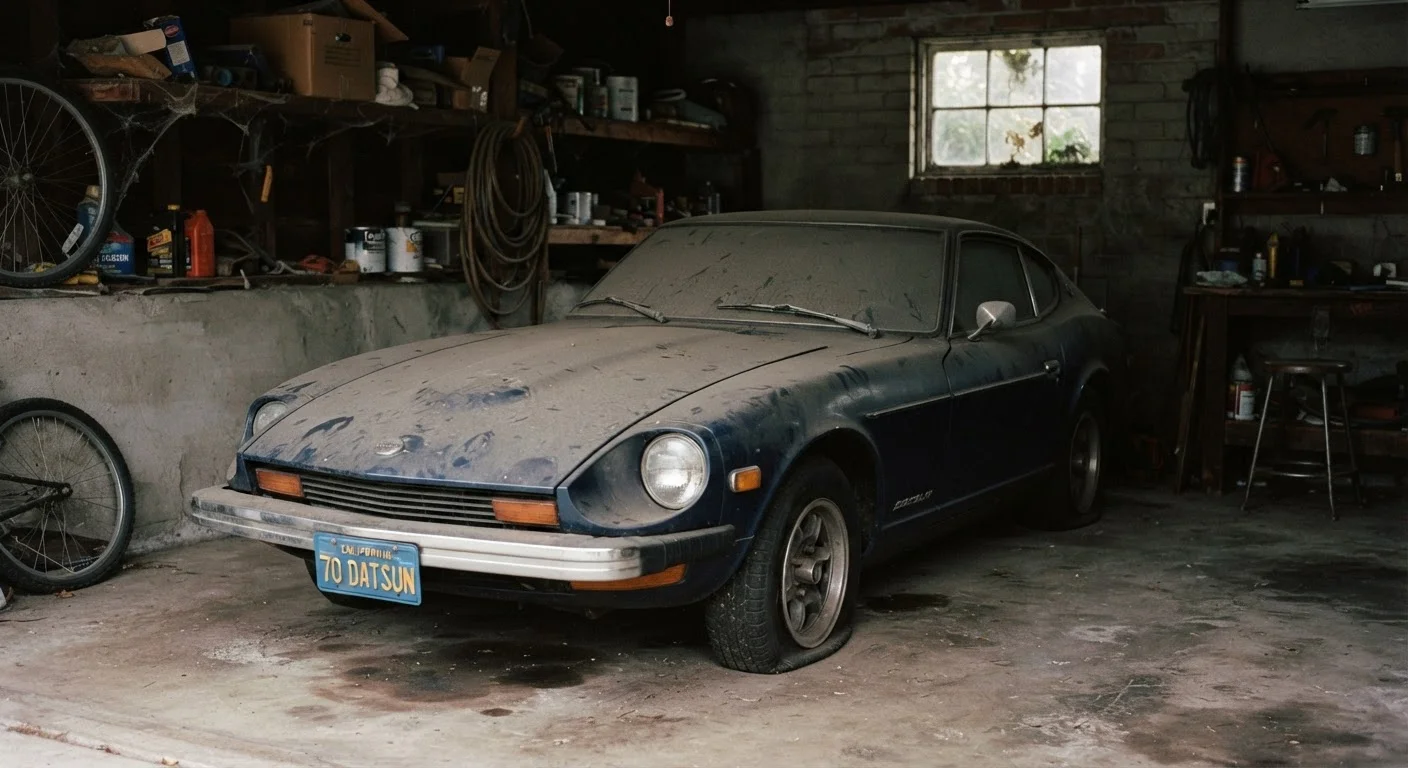
Short, regular drives allow the engine to reach full operating temperature, which burns off moisture and combustion byproducts that accumulate in oil. They also circulate brake fluid, exercise seals, and prevent tires from developing flat spots from prolonged stationary pressure.
Use a battery maintainer (trickle charger) if the car will sit for more than two weeks.
Modern vehicles draw small amounts of power continuously for electronics, alarms, and clocks. Over two to four weeks, this can drain a battery far enough that it won't hold a full charge again. A quality battery maintainer keeps voltage at the correct level without overcharging. For more on this, see our article on car battery health and lifespan.
Check and adjust tire pressure monthly, even when the car isn't being driven.
Tires lose roughly 1–2 PSI per month through natural permeation, and temperature drops can reduce pressure further. Under-inflated tires sitting under the vehicle's weight develop flat spots, which can cause vibration or uneven wear that persists even after the tire warms up.
Follow time-based service intervals, not just mileage markers.
Oil, brake fluid, and coolant all degrade chemically over time regardless of use. Many manufacturers specify both a mileage and a calendar interval (such as 12 months or 7,500 miles, whichever comes first) for exactly this reason. Ignoring the time-based trigger on a low-mileage car is a common and costly oversight.
Add a fuel stabilizer if the car will sit unused for more than 30 days.
Modern gasoline, particularly ethanol-blended fuel, begins to degrade within 30 days. It can leave varnish deposits in the fuel system and absorb moisture, leading to hard starting, rough running, or injector problems. Fuel stabilizer slows this breakdown significantly.
Keep the car covered or garaged to protect against environmental damage.
UV exposure degrades rubber seals, plastic trim, and paint over time. Moisture from rain or morning dew can work into door seals and accelerate rust on brake rotors and undercarriage components. A quality car cover or a garage significantly extends the cosmetic and structural lifespan of a stored vehicle.
Quick Actions You Can Take Today
If your car has already been sitting for a while, a few immediate steps can head off the most common problems before they become expensive ones. Refer to our routine maintenance checklist to cross-reference what else may be due.
For vehicles stored through seasonal extremes, seasonal preparation guidance is also worth reviewing to address temperature-specific concerns like battery performance in winter and coolant levels in summer.
Keeping Records and Staying Ahead
One practical challenge with low-use vehicles is that it's easy to lose track of when services were last performed. Because the odometer barely moves, time-based intervals — such as annual oil changes regardless of mileage — can quietly expire. Oil change intervals aren't purely mileage-driven, and a car that rarely runs can still benefit from fresh oil once a year to prevent moisture and acid buildup in degraded fluid.
Maintaining a simple vehicle log helps you track service dates, tire checks, and battery tests — especially useful for cars that aren't part of a regular service reminder system. This kind of documentation also supports insurance claims and helps preserve resale value, which matters because neglected storage conditions can accelerate depreciation well beyond normal wear. For broader strategies on managing ownership costs, see our guide on keeping long-term running costs under control.
When to Involve a Qualified Mechanic
If a car has been sitting unused for several months or longer, a professional inspection is advisable before relying on it regularly. A mechanic can assess brake condition (rotors can develop significant surface rust during storage), check for rodent damage to wiring or insulation, inspect belts and hoses for dry rot, and confirm the cooling and fuel systems are in good order. Some storage-related issues aren't visible without lifting the vehicle.