

Key Takeaways
Why Routine Maintenance Matters
A car is one of the most complex machines most households own — and one of the most financially significant. Neglecting routine upkeep doesn't just shorten a vehicle's lifespan; it compounds costs in ways that are often avoidable. A worn serpentine belt that costs under $50 to replace can, if it snaps, disable the alternator, power steering, and cooling system simultaneously, turning a minor job into a major repair bill.
Understanding the basics of vehicle maintenance doesn't require mechanical expertise. Most routine tasks are about observation: noticing a fluid level that's dropped, a brake pedal that feels softer than usual, or a tire that looks flatter than the others. The car ownership fundamentals hub covers the broader knowledge base every driver needs — maintenance is the practical core of it.
This guide covers each major maintenance category in plain language, helping you know what to check, how often, and when to hand a job to a qualified mechanic.
Fluids: The Lifeblood of Your Vehicle
Six fluids keep a modern car operational: engine oil, coolant, transmission fluid, brake fluid, power steering fluid (in non-electric systems), and windshield washer fluid. Each has a specific function, a recommended service interval, and visible warning signs when it runs low or degrades.
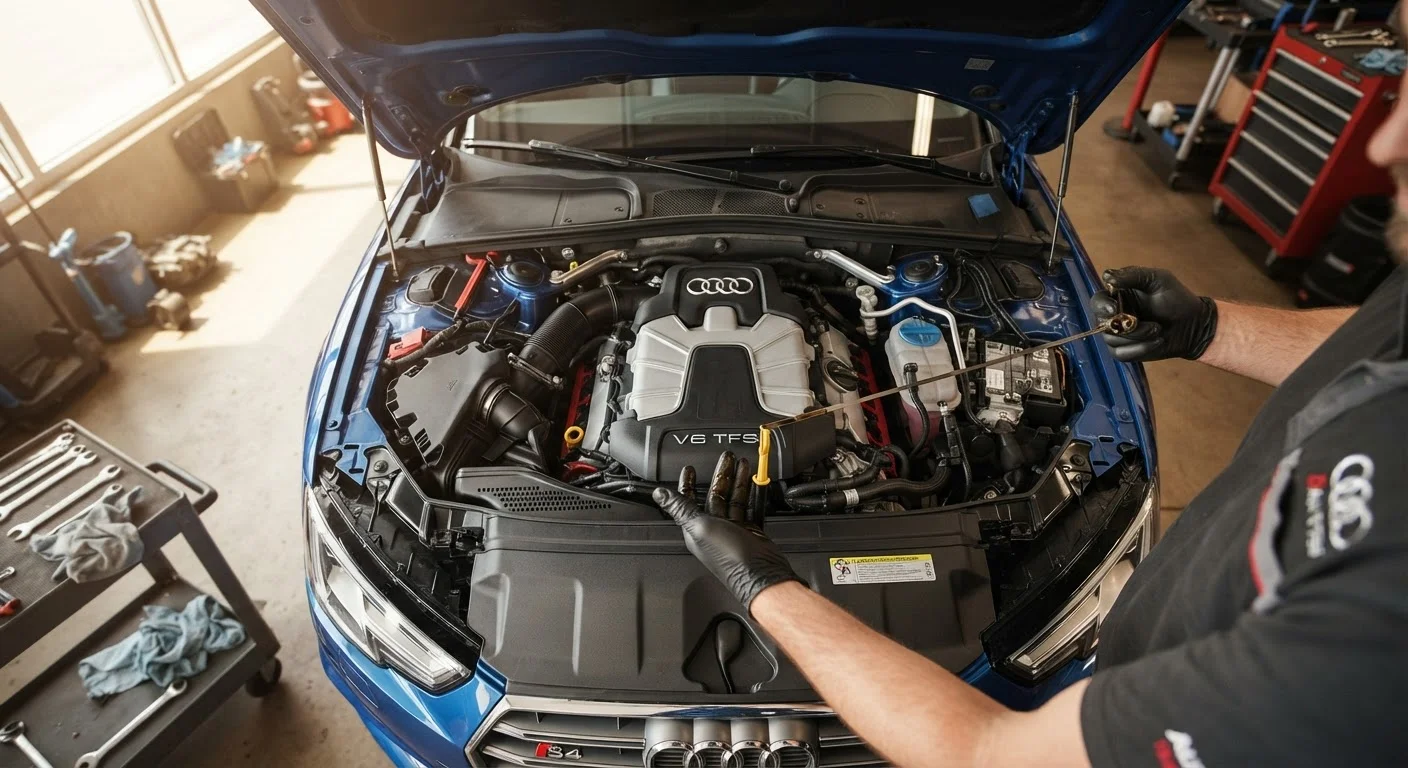
- Engine oil: Lubricates moving parts and carries heat away from the engine. Check level monthly with the dipstick; change according to your owner's manual — typically every 5,000–10,000 miles depending on oil type and driving conditions.
- Coolant (antifreeze): Regulates engine temperature. Check the reservoir level when the engine is cold. A milky or rusty appearance indicates contamination requiring prompt attention.
- Brake fluid: Hydraulic fluid that transfers pedal force to the brake calipers. It absorbs moisture over time, lowering its boiling point. Most manufacturers recommend replacement every two years regardless of mileage.
- Transmission fluid: Lubricates gears and facilitates smooth shifting. Many modern automatics are sealed units — consult your manual rather than assuming it never needs service.
Always check engine oil when the engine is cold and the car is on level ground — this gives the most accurate reading and avoids burns from a hot engine.
Oil drains back into the pan when the engine is off, but residual heat and an unlevel surface can cause false dipstick readings that lead drivers to add too much or too little oil.
When shopping for tires, prioritize wet-weather braking ratings on the tire label over tread life ratings — stopping distance in rain is directly tied to safety, while tread life is a cost consideration.
Government-mandated tire labeling includes grades for traction and temperature in addition to treadwear; wet-braking performance is among the most consequential real-world factors for everyday driving safety.
See the routine maintenance checklist for service intervals organized by mileage and time.
Tires: Your Only Contact With the Road
Tires are the single most safety-critical maintenance item on a vehicle. They affect braking distance, cornering grip, fuel consumption, and ride comfort — and they wear invisibly until a problem arises.
Pressure: Under-inflated tires increase rolling resistance, reduce fuel efficiency, and generate excess heat that accelerates tread wear. Check cold pressure monthly using a quality gauge; the correct figure is on the sticker inside the driver's door jamb, not on the tire sidewall.
Tread depth: The legal minimum in most U.S. states is 2/32 of an inch. A quick check: insert a penny into the tread groove with Lincoln's head pointing down. If you can see the top of his head, the tire needs replacement. Many safety experts recommend replacing at 4/32 for meaningful wet-weather grip.
Rotation: Front and rear tires wear at different rates depending on drive configuration and braking load. Rotating every 5,000–7,500 miles evens out wear and extends tire life. Alignment should also be checked if the car pulls to one side or after any significant curb or pothole impact.
Never Ignore a Vibrating Steering Wheel
Steering wheel vibration at highway speeds is often a sign of wheel imbalance, worn suspension components, or a damaged tire — all of which affect vehicle control. Do not dismiss this as a minor nuisance. Have the vehicle inspected by a qualified mechanic promptly, especially before any long highway journey. Driving on worn or unbalanced tires at speed increases both tire failure risk and stopping distances.
Brakes: Recognizing Wear Before It Becomes Dangerous
Brake systems are designed with audible and tactile warning signs built in. Most brake pads include a small metal wear indicator that contacts the rotor when pads reach minimum thickness, producing a high-pitched squeal. Ignoring this sound typically leads to a grinding noise — metal on metal — which means rotor damage and a more costly repair.
Key warning signs to act on promptly:
- Squealing or grinding during braking
- Vibration or pulsation felt through the brake pedal
- Longer stopping distances than usual
- The vehicle pulling to one side under braking
- A soft or spongy brake pedal feel
Brake inspection doesn't always require wheel removal — a visual check through the wheel spokes can reveal pad thickness on many vehicles. However, a thorough assessment of rotor condition, caliper function, and brake line integrity should be performed by a qualified mechanic, typically at every tire rotation or at least once a year.
Brake system repair involves safety-critical components. Any task beyond visual inspection should be carried out by or verified by a qualified professional.
Electrical System and Filters
Battery: Most automotive batteries last three to five years. Slow engine cranking, dimming lights when idling, and frequent need for jump-starts are indicators that a battery is approaching end of life. Many auto parts retailers will test a battery's charge capacity for free. Terminals should be kept clean and free of corrosion — a buildup of white or blue-green crust on the posts increases electrical resistance.
Air filter: The engine air filter prevents dust and debris from entering the intake. A clogged filter reduces engine efficiency and, in severe cases, affects performance. Inspection is typically recommended every 15,000–30,000 miles; the filter is usually accessible without tools.
Cabin air filter: This filters air entering the passenger compartment through the HVAC system. A blocked cabin filter reduces airflow from vents and can affect defrost performance. Replacement is generally recommended every 15,000–25,000 miles or annually.
Spark plugs: In gasoline engines, spark plugs ignite the fuel-air mixture. Worn plugs cause misfires, rough idling, and reduced fuel economy. Standard copper plugs may need replacement every 30,000 miles; iridium or platinum plugs can last 60,000–100,000 miles.
Keeping records of these services is more useful than it might seem. A personal vehicle log gives you a clear history for warranty claims, insurance inquiries, and resale discussions.
Building a Maintenance Routine That Sticks
The gap between knowing what needs maintenance and actually doing it usually comes down to systems, not motivation. A few practical habits make routine upkeep reliable rather than reactive.
- Use your owner's manual as the primary reference. Manufacturer-specified intervals are calibrated to your exact vehicle — generic guidelines are starting points, not substitutes.
- Tie checks to habits you already have. A monthly fluid and tire-pressure check takes less than ten minutes. Linking it to a regular event — a first-of-month routine, for example — makes it stick.
- Don't defer warning lights. Modern vehicles use onboard diagnostics to flag issues early. A check engine light left unaddressed can mask a developing problem that worsens with continued driving.
- Factor maintenance into your ownership budget. Understanding the full cost of ownership — not just fuel — helps avoid being caught off-guard by servicing expenses. The long-term running cost guide covers practical strategies for keeping those expenses manageable.
Consistent, attentive maintenance is among the highest-return habits an owner can build. It protects both the vehicle's mechanical health and its resale value — and it keeps you safer on the road every time you drive.