

Key Takeaways
Why Habits Matter More Than Destinations
Ask seasoned travelers about safety abroad and most will tell you the same thing: the destination matters far less than how you move through it. Risky situations aren't reserved for so-called dangerous countries — they happen in Paris, Tokyo, and Sydney too. What separates travelers who consistently avoid trouble from those who don't usually isn't luck. It's a repeatable set of habits, applied with low effort and high consistency.
That said, no habit eliminates risk entirely, and no article can substitute for checking official government advisories before you go. For entry rules, visa requirements, or health advisories, always verify with your own government's foreign affairs or state department website — conditions change, and published travel content can go out of date. What the habits below can do is meaningfully reduce your exposure and improve your ability to respond when something unexpected happens.
Before you even board a plane, locking in your safety foundations is part of broader trip preparation. Our pre-departure checklist covers the documents, registrations, and confirmations worth doing before you leave home.
Core Habits Experienced Travelers Rely On
These aren't abstract principles — they're specific behaviors that travel-hardened people do almost automatically.
Split your valuables across at least three separate locations
Concentrating your passport, all cash, and every card in one bag or pocket means a single theft wipes out everything. Distributing them turns a worst-case scenario into a manageable setback. Most experienced travelers keep a decoy wallet with a small amount of local cash as an additional buffer.
Register your trip with your country's embassy or consulate before you depart
In the event of a natural disaster, civil unrest, or a personal emergency, embassy registration means your government knows you're in the country and can contact you or your family. It costs nothing and takes minutes.
Practice active situational awareness without appearing anxious
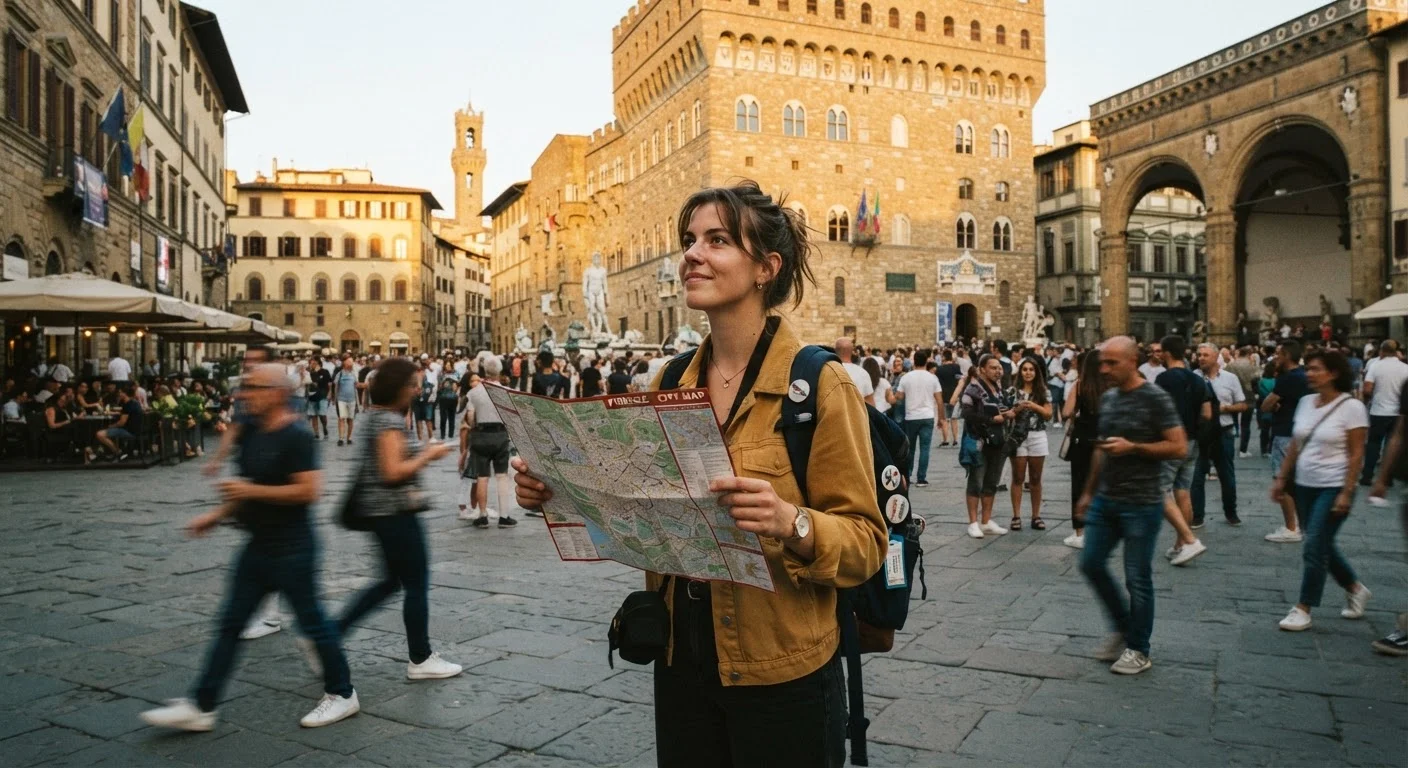
Opportunistic theft and scams tend to target people who look distracted or confused — heads buried in phones, maps spread wide open, luggage unattended. Calm, purposeful body language signals confidence and reduces your profile as a target.
Keep digital and physical copies of critical documents stored separately
Losing a passport abroad is stressful enough; losing it without any backup copy makes consular replacement far slower. Digital copies stored in encrypted cloud storage — plus a physical photocopy left with someone at home — cover both scenarios.
Learn two or three phrases in the local language, including 'help' and 'police'
You don't need fluency to stay safer — you need the ability to communicate urgency in a crisis. Knowing how to call for help or direct someone to assist you can matter enormously in a fast-moving situation.
Use official or clearly vetted transportation rather than informal alternatives when in doubt
Unlicensed taxis and informal rideshare arrangements are among the most commonly cited contexts for tourist-targeted theft or scams in multiple regions. The price premium for official transport is generally small relative to the risk reduction.
Navigating Unfamiliar Environments With Confidence
First impressions of a new destination can be overwhelming, and that disorientation is exactly when lapses happen. Arriving prepared — with offline maps downloaded, local emergency numbers noted, and your accommodation's address saved in multiple places — closes a significant vulnerability window.
One underused tactic: walk your immediate neighborhood on arrival in daylight before you need to navigate it at night. You'll notice landmarks, spot well-lit routes, and build a mental map without pressure. Travelers heading to destinations with specific cultural norms around dress, photography, or behavior should research these in advance — this pre-departure guide for Morocco shows how destination-specific prep works in practice, and the same approach applies wherever you're headed.
If you're planning a first visit to a region with a complex reputation, be skeptical of sweeping generalizations. Our piece on what travel content gets wrong about Southeast Asia is a useful model for separating myth from practical reality — a skill that sharpens your decision-making anywhere.
~70%
Reported travel incidents involving distraction or disorientation
Travel safety researchers and consular officials consistently note that the majority of tourist-targeted incidents occur during moments of distraction — arrivals, transit changes, and map-checking.
3–5 min
Average time to register with a government travel program
Programs like the US STEP system require only basic trip details and take a few minutes to complete, yet remain widely underused by leisure travelers.
Making Smart Choices Every Day on the Road
Safety isn't a one-time checklist item — it's a daily practice. That means re-evaluating your surroundings each day: a neighborhood that's lively and safe at noon may feel different at midnight. It means trusting discomfort as useful data without letting it tip into anxiety. And it means keeping one trusted person at home informed of your rough itinerary so someone always knows where you should be.
Financial exposure is a safety issue too. Overspending or running low on funds mid-trip can force decisions that compromise your security — booking last-minute accommodation in unfamiliar areas, traveling overnight without a plan, or accepting help from strangers out of desperation. Our guide on why travel budgets fall apart mid-trip walks through the predictable patterns that drain accounts abroad and how to head them off.
This article provides general travel safety information for educational purposes. Always consult official government travel advisories and qualified professionals for destination-specific guidance before you travel.