

Key Takeaways
Why First-Timer Misconceptions About Southeast Asia Run So Deep
Travel content about Southeast Asia tends to fall into two camps: breathless "paradise found" pieces that gloss over practical realities, or alarmist warnings that make the region sound more perilous than a trip to a major US city. Neither serves first-timers well. The result is travelers who arrive either wildly underprepared or needlessly anxious — sometimes both.
The region spans eleven countries, hundreds of distinct cultures, and an enormous range of infrastructure quality, safety profiles, and price points. Treating it as a single destination is like treating "South America" as a single experience. The myths below are the ones most likely to derail your first trip — or talk you out of going altogether.
For a broader look at how planning misconceptions shape travel decisions before you even pack a bag, see our guide to travel planning myths.
Myth
Southeast Asia is incredibly cheap, so you don't need to budget carefully.
Fact
Costs vary enormously by destination, season, and lifestyle — budget travel requires genuine planning, not assumptions.
Thailand's islands, Bali's resort areas, and Singapore are meaningfully more expensive than rural Vietnam or Cambodia. Accommodation, tour pricing, and even street food costs have risen in heavily touristed areas. Travelers who arrive assuming everything will cost next to nothing often overspend in the first week. Build a country-specific budget using recent traveler reports, and account for visa fees, travel insurance, and activity costs upfront.
Myth
Southeast Asia is too dangerous for first-time or solo travelers.
Fact
Popular tourist areas are generally safe, and millions of first-time visitors — including solo women — travel the region without incident every year.
Petty theft, scams targeting tourists, and road safety are the most common real risks — not violent crime. These are manageable with consistent habits: securing valuables, using reputable transport, and being alert in crowded areas. The US State Department travel advisories are a useful starting point, but they paint in broad strokes. City-level and neighborhood-level research gives a much clearer picture. Fear-based travel myths keep many people from trips that would actually be fine.
Myth
Street food is risky and travelers should stick to restaurants.
Fact
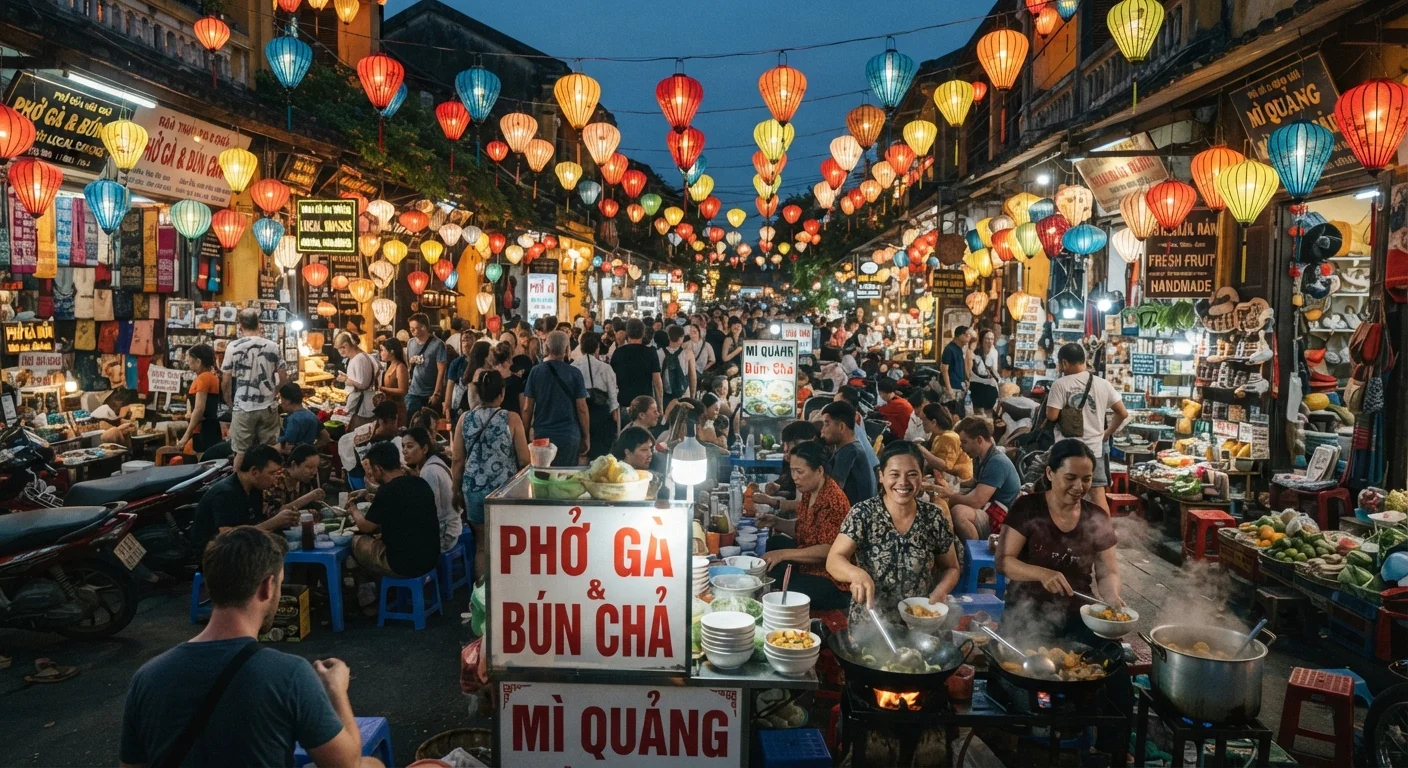
Street food with high customer turnover is often fresher and safer than tourist-facing restaurants with slow-moving ingredients.
High foot-traffic stalls replenish ingredients constantly, which limits the time food sits at unsafe temperatures. The practical guidance travelers and health-focused experts most commonly share: look for vendors cooking food fresh to order, avoid pre-cut fruit left in the open heat, and use your judgment on hygiene basics. Many street food illnesses come from improperly handled ice or water rather than the food itself — choosing bottled or purified water is usually the more important variable.
Myth
Two weeks is enough to see several Southeast Asian countries properly.
Fact
Two weeks realistically allows for one or two countries explored with depth — adding more destinations means skimming each one.
Transit time between countries — flights, border crossings, overnight buses — can consume 20–30% of a short trip. First-timers often underestimate jet lag adjustment, the time needed to orient in a new city, and how exhausting constant movement becomes. A single country with a varied itinerary (one major city, one rural or coastal area) will almost always produce a richer experience than an ambitious multi-country hop that leaves you tired and rushed throughout.
Myth
Cultural customs are roughly the same across the region, so one set of rules covers all countries.
Fact
Cultural norms, religious expectations, and social etiquette differ significantly between Thailand, Vietnam, Indonesia, the Philippines, and beyond.
Thailand's Buddhist temple etiquette (removing shoes, covering shoulders and knees) does not automatically transfer to a mosque in Malaysia or a Hindu temple in Bali, each of which has its own expectations. Public displays of affection are viewed very differently in conservative areas versus tourist hubs. Researching the specific country and even the specific site you're visiting — rather than applying a regional shorthand — avoids unintentional disrespect and sometimes legal trouble.
How to Actually Prepare for a First Visit
Good preparation for Southeast Asia is less about memorizing danger zones and more about building flexible, culturally aware habits. Research the specific countries on your itinerary — entry requirements, local laws, dress expectations at religious sites, and whether your travel insurance covers the activities you're planning. Always verify visa and health documentation requirements directly with official government sources before departure, as these change without notice.
11
Countries in Southeast Asia
The region spans eleven distinct nations, each with its own entry requirements, currency, language, and cultural expectations.
~130M
International tourist arrivals pre-pandemic
Southeast Asia attracted roughly 130 million international visitors annually before 2020, according to UNWTO regional data, making it one of the world's most visited tourism regions.
If you're considering going solo, Southeast Asia is one of the more traveler-friendly regions for first-time independent trips — particularly Thailand, Vietnam, and Bali. For a practical framework, our solo travel introduction covers planning, safety, and building confidence from scratch. And for habits that reduce real-world risk regardless of destination, practical safety habits abroad is worth reading before you go.
Ultimately, the travelers who get the most out of Southeast Asia are those who arrive with genuine curiosity, a realistic budget, and the willingness to slow down. One country, explored thoroughly, will leave you with far richer memories than five countries skimmed in a fortnight. Check out our Travel Tips hub for destination-agnostic advice that applies wherever your first trip takes you.