

Key Takeaways
Fewer crowds at popular attractions and sites
Iconic sights feel more accessible and less rushed when visitor volume drops. This is especially pronounced at heavily trafficked spots like major museums, historic old towns, and scenic viewpoints.
Accommodation may be easier to book
In-demand hotels and rentals that fill months in advance during peak season often have last-minute or short-notice availability in the off-season, giving travelers more flexibility.
More authentic local atmosphere in some destinations
When tourist numbers thin, local rhythms become more visible — neighborhood restaurants cater to residents, markets shift focus, and interactions can feel less transactional.
Potential cost savings on flights and lodging
Airfare and accommodation pricing often reflects seasonal demand, and traveling outside peak periods can reduce these costs — though the savings vary significantly by route and destination.
Lower environmental and social pressure on destination
Spreading visitor load across more months can ease strain on destinations that experience acute overtourism during peak periods, benefiting both communities and ecosystems.
Many services and attractions reduce or close entirely
Resort towns, island destinations, and seasonally dependent regions often shutter hotels, restaurants, and transport links outside peak season, leaving travelers with unexpectedly limited options.
Weather can be genuinely disruptive, not just inconvenient
Low seasons often exist precisely because of challenging weather conditions — monsoons, hurricane risk, extreme cold, or persistent heavy rain that limits outdoor activities and can affect logistics.
Savings aren't guaranteed across all cost categories
While flights and hotels may be cheaper, other costs — tours, car rentals, dining — don't always follow the same pattern, and the overall savings can be smaller than expected.
Travel insurance considerations become more complex
Weather-related disruptions are more likely in off-peak periods, making coverage more important to understand thoroughly before departure. See our guide on what travel insurance actually covers.
Local character may feel diminished rather than authentic
Some destinations are genuinely designed around peak-season energy — a ski resort in summer or a beach town in winter may feel more vacant than charming.
Our Verdict
Off-season travel is genuinely rewarding — but only when you've done destination-specific homework. The trade-offs aren't universal: what's a lightly drizzly 'low season' in one place is a monsoon or a ghost town in another. Treating off-season as a reliable shortcut to cheaper, quieter travel can backfire; treating it as a nuanced option with real variables tends to pay off.
Flexible travelers who've researched their specific destination's off-season conditions and are comfortable adapting plans around weather or limited services.
The Promise — and the Fine Print
The pitch for off-season travel is easy to love: fewer tourists, lower prices, more authentic connections with a place. And it's not wrong, exactly — it's just incomplete. The term 'off-season' gets used as if it describes a uniform experience, when in reality it describes wildly different conditions depending on where you're going and when.
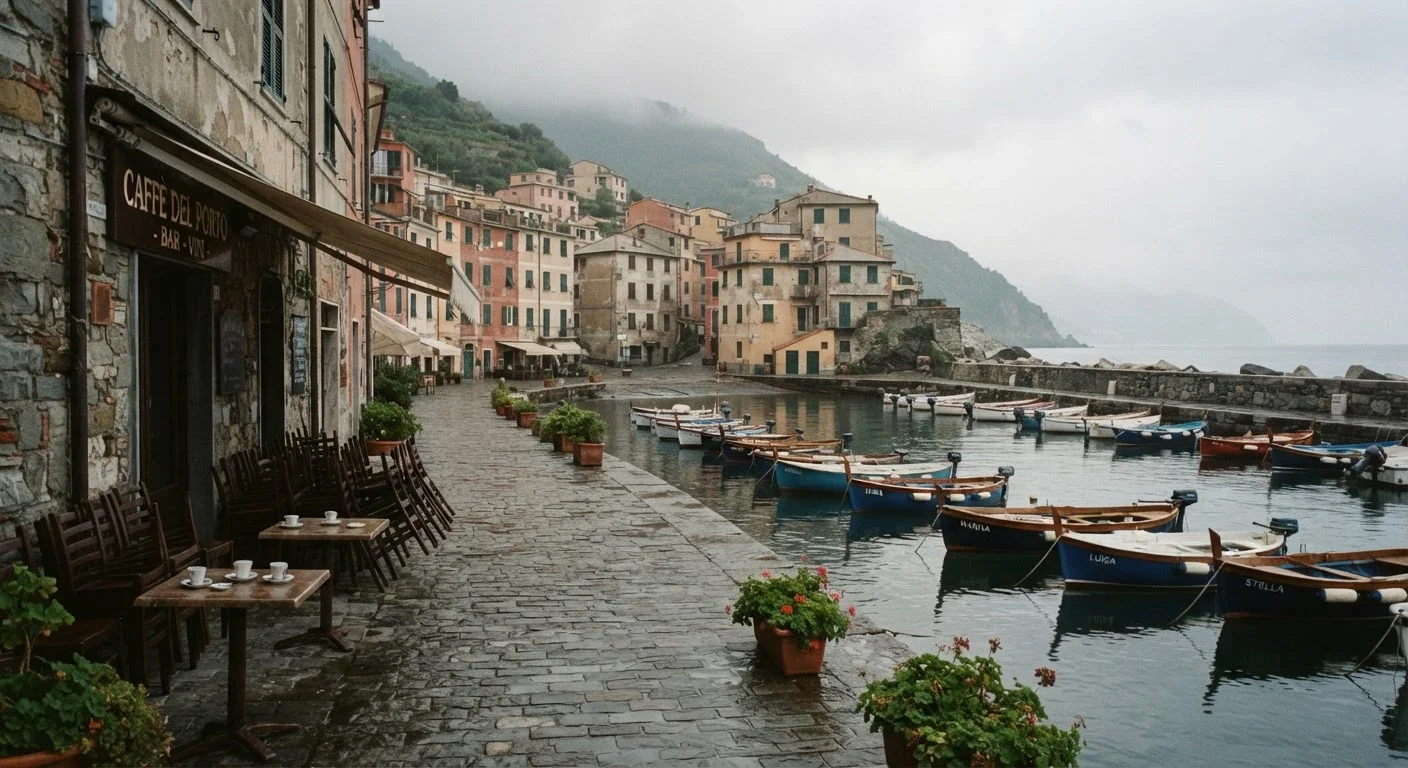
In some destinations, the off-season is a mild, navigable thing — a bit of rain in the afternoons, shorter opening hours at a few museums. In others, it means closed hotels, suspended ferry routes, and weather that makes outdoor sightseeing genuinely miserable. Knowing which category your destination falls into before you book is the difference between a quietly lovely trip and a frustrating one.
For a sharper look at how timing decisions ripple into costs and availability, see our piece on planning far ahead vs. booking last minute.
Fewer crowds at popular attractions and sites
Iconic sights feel more accessible and less rushed when visitor volume drops. This is especially pronounced at heavily trafficked spots like major museums, historic old towns, and scenic viewpoints.
Accommodation may be easier to book
In-demand hotels and rentals that fill months in advance during peak season often have last-minute or short-notice availability in the off-season, giving travelers more flexibility.
More authentic local atmosphere in some destinations
When tourist numbers thin, local rhythms become more visible — neighborhood restaurants cater to residents, markets shift focus, and interactions can feel less transactional.
Potential cost savings on flights and lodging
Airfare and accommodation pricing often reflects seasonal demand, and traveling outside peak periods can reduce these costs — though the savings vary significantly by route and destination.
Lower environmental and social pressure on destination
Spreading visitor load across more months can ease strain on destinations that experience acute overtourism during peak periods, benefiting both communities and ecosystems.
Where Off-Season Works Against You
The biggest misconception is that reduced tourist volume automatically means a better experience. Sometimes it just means less of everything — fewer restaurant options, scaled-back transport, attractions running skeleton schedules or closed entirely for maintenance.
Popular coastal and island destinations are particularly prone to this. Think of Greek islands, parts of the Croatian coast, or Caribbean spots that rely almost entirely on seasonal visitors: outside of peak months, whole towns quiet down in ways that can feel isolating rather than peaceful. If the local economy depends on summer or winter tourism, the infrastructure follows that calendar — not yours.
Weather is the other stubborn variable. Southeast Asia's 'low season' coincides with monsoon rains that can disrupt travel logistics in real ways. Tropical hurricane zones have statistically higher risk periods. Even 'shoulder' months in some Alpine regions land in the awkward gap between ski season and summer hiking — beautiful scenery, limited lift access, and half the restaurants closed. Off-season travel to the Caribbean specifically warrants extra attention; our guide on Caribbean islands and their distinct travel personalities breaks down how conditions vary island by island.
Many services and attractions reduce or close entirely
Resort towns, island destinations, and seasonally dependent regions often shutter hotels, restaurants, and transport links outside peak season, leaving travelers with unexpectedly limited options.
Weather can be genuinely disruptive, not just inconvenient
Low seasons often exist precisely because of challenging weather conditions — monsoons, hurricane risk, extreme cold, or persistent heavy rain that limits outdoor activities and can affect logistics.
Savings aren't guaranteed across all cost categories
While flights and hotels may be cheaper, other costs — tours, car rentals, dining — don't always follow the same pattern, and the overall savings can be smaller than expected.
Travel insurance considerations become more complex
Weather-related disruptions are more likely in off-peak periods, making coverage more important to understand thoroughly before departure. See our guide on what travel insurance actually covers.
Local character may feel diminished rather than authentic
Some destinations are genuinely designed around peak-season energy — a ski resort in summer or a beach town in winter may feel more vacant than charming.
When the Trade-Offs Are Worth It
Done right, off-season travel can genuinely improve a trip. Major European cities — think Lisbon, Prague, Amsterdam — remain fully functional year-round. Their 'low season' means shorter queues at iconic sites, greater availability at well-regarded restaurants, and accommodation that's easier to book. You're still getting the full city; you're just not sharing it with the same volume of fellow visitors.
Cultural and city-based destinations tend to be more resilient to seasonal dips than resort or nature-focused ones. Cities keep their museums open, their transit running, their restaurants staffed. That's the sweet spot where off-season logic actually delivers on its promise.
30–50%
Typical accommodation price variation between peak and low season
Industry and hospitality data generally show this range for popular leisure destinations, though actual variation depends heavily on the specific market and property type.
~4–6 weeks
Shoulder season window before or after peak
Travel planners commonly define shoulder season as this window, when crowds thin but infrastructure typically remains largely operational.
There's also an environmental argument. Visiting heavily trafficked destinations outside peak periods can reduce pressure on places that genuinely strain under visitor volume. Our piece on overtourism and what travelers can do covers this in depth.
How to Think About It Before You Book
The most practical reframe is to stop thinking in binary peak/off-peak terms and start researching what a specific destination actually looks like during the month you're considering. Travel forums, destination tourism boards, and recent traveler accounts are more useful than general 'best time to visit' articles, which often flatten real variation.
Ask concrete questions: Are major attractions open? Is public transportation operating on a full or reduced schedule? What does the weather typically do — and what happens to your plans if it does that? Is your accommodation category even available, or does the town effectively close?
Shoulder season — generally four to six weeks before or after peak — often delivers the most balanced experience. You get some of the cost and crowd benefits without the full infrastructure retreat. If budget is a key factor, our realistic travel budgeting guide can help you estimate what actual savings might look like once you account for all your costs. And it's worth being clear-eyed about a common planning myth: the idea that 'off-season is always cheaper' belongs on the list of travel planning myths worth questioning.
Verify Entry and Safety Conditions Before You Go
Off-season periods in some destinations coincide with weather events, regional festivals, or infrastructure changes that can affect entry, transport, and safety. Always check current travel advisories through official government sources — such as travel.state.gov for US travelers — before finalizing plans. Conditions on the ground can differ from what general travel articles describe, and they can change.