
Overtourism Pitfalls: When Popular Destinations Suffer Most—and What Travelers Can Do

Key Takeaways
Why Overtourism Is a Real and Growing Problem
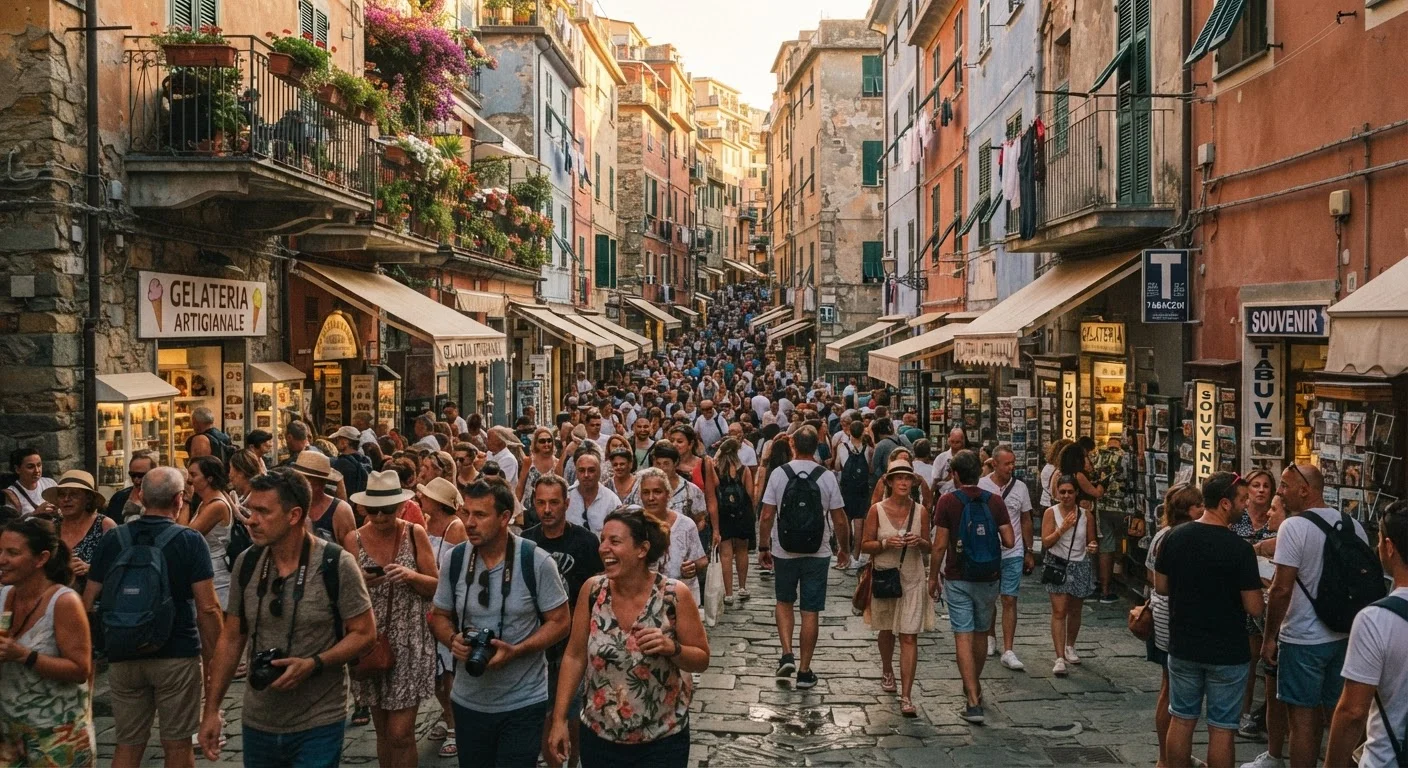
Overtourism isn't just a buzzword—it describes a measurable condition in which visitor volume consistently exceeds what a destination's infrastructure, environment, or community can absorb sustainably. Venice has debated entry fees and cruise ship bans. Machu Picchu implemented timed ticketing to limit daily visitors. Locals in parts of Barcelona, Amsterdam, and Lisbon have organized protests over the effects of mass tourism on housing costs, noise, and daily life.
The irony is sharp: the places we love most become degraded by the act of loving them at scale. And most travelers contributing to the problem aren't doing so with any malicious intent—they're simply following the same well-worn path everyone else takes.
Understanding how specific traveler habits accelerate overtourism is the first step toward changing them. Whether you're planning a European circuit or a bucket-list landmark visit, small adjustments in how you travel can make a meaningful difference. For a broader look at researching destinations beyond the highlight reel, see our destination research guide.
Visiting headline sites during peak season without considering alternatives.
Why it happens: Social media and travel content heavily feature iconic locations during their most photogenic (and most crowded) seasons, making that window feel like the "right" time to go.
Concentrating all spending and time at the most famous single site in a region.
Why it happens: Travelers often anchor an entire trip around one landmark, funneling economic activity and foot traffic into an already saturated point while bypassing nearby communities that could benefit.
Ignoring or circumventing official visitor limits and designated paths.
Why it happens: Limits can feel arbitrary or inconvenient in the moment, and some travelers assume individual exceptions don't matter at scale.
Defaulting to large hotel chains and international platforms for all bookings.
Why it happens: Familiarity and loyalty points make large platforms the default, but much of that spending flows out of local economies rather than supporting residents.
Treating overtouristed destinations as fixed—assuming the only options are "go" or "skip it."
Why it happens: Most travel planning starts with a destination already chosen, leaving little room to question whether timing, duration, or alternative regions might serve the traveler's goals better.
Practical Shifts That Actually Help
Knowing the mistakes is useful; knowing what to do instead is what changes behavior. A few reframes are worth internalizing before your next trip.
Think regionally, not just by landmark. Countries like Portugal reward travelers willing to venture beyond their most photographed cities. Portugal's lesser-known corners offer genuine culture and lower visitor pressure simultaneously. The same principle applies almost everywhere.
Reconsider your timing. Shoulder seasons—the weeks just before or after peak—often deliver pleasant weather, manageable crowds, and more authentic interactions. That said, off-season travel comes with real trade-offs that vary by destination, which our article on off-season travel realities addresses honestly.
Slow down your itinerary. Hopping between six cities in eight days means you're adding foot traffic to multiple overtouristed spots without genuinely experiencing any of them. Slow travel redistributes your economic and environmental footprint more meaningfully. And if your itinerary keeps collapsing under its own weight, it's worth reading why itineraries fall apart before you finalize your plan.
Overcrowding Isn't Just an Inconvenience
At heavily visited natural and cultural sites, unchecked visitor volume causes erosion, structural damage, and displacement of local wildlife. In residential areas, it drives up housing costs and hollows out communities. Treating overtourism as merely a "bad experience" misses the severity of what's actually happening on the ground. Travelers who genuinely care about preserving the places they love need to factor this into planning decisions, not just in the moment but before they book.
None of this requires you to visit only obscure places or sacrifice the experiences you genuinely want. It requires intentionality—booking with care, spending locally, and treating destination communities as hosts rather than backdrops.
This article provides general travel information and perspectives. Policies, entry requirements, and site-specific regulations change frequently—always verify current rules with official sources and destination authorities before you travel.