

Key Takeaways
Start here
What a Car Service Actually Covers
Core task
The Oil and Filter Change
Go deeper
Fluids, Filters, and Belts
Safety focus
Brakes, Tires, and Safety Checks
Wrap up
What Happens After the Service
What a Car Service Actually Covers
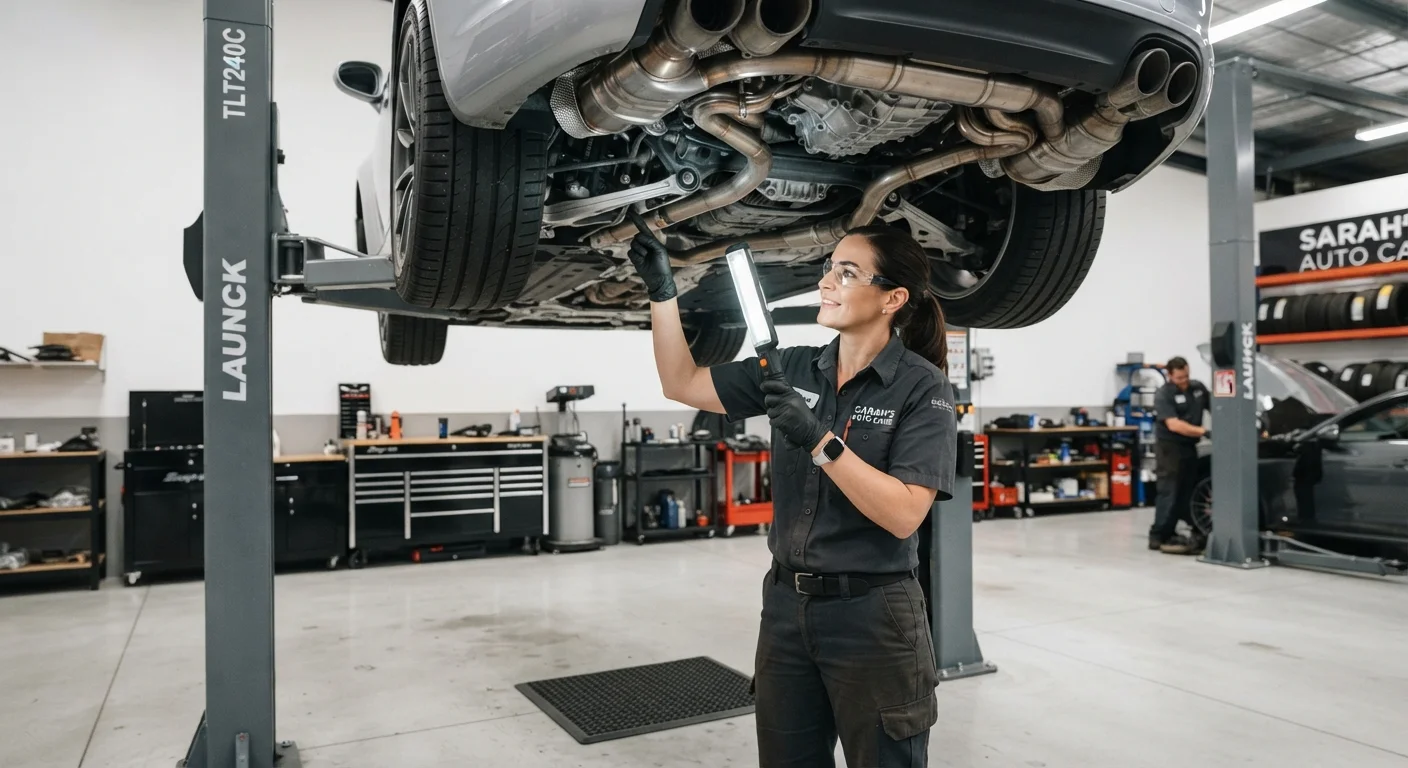
Many drivers think of a car service as little more than an oil change with a visual once-over. In reality, a properly performed service follows a structured checklist that can run to 50 or more individual inspection points. Understanding what those checks involve — and why they matter — is the first step toward being a more informed owner.
Services are generally divided into two tiers: interim and full. An interim service covers the essentials and is typically done more frequently, while a full service goes deeper into mechanical and safety systems. For a clear breakdown of which level suits your situation, see our full vs. interim service explainer.
Interim service
A mid-year service covering essential checks — primarily oil, filter, and key fluid and safety inspections — typically done every six months or 6,000 miles.
Full service
A comprehensive annual service that covers everything in an interim service plus additional component inspections and replacements based on mileage and condition.
OBD-II diagnostic scan
A check of the car's onboard computer system that retrieves stored fault codes, which can reveal problems before they trigger a dashboard warning light.
Timing belt
A rubber belt that synchronizes the engine's internal moving parts. It must be replaced at manufacturer-specified mileage intervals to prevent catastrophic engine damage.
Brake fluid
The hydraulic fluid that transfers braking force through the brake lines. It absorbs moisture over time, which can reduce its effectiveness and must be replaced periodically.
Tread depth
The measurement of the remaining rubber on a tire's surface. Lower tread depth reduces grip, especially in wet conditions, and indicates the tire is nearing the end of its safe life.
The Oil and Filter Change
Engine oil lubricates moving metal parts, reducing friction and carrying heat away from the engine. Over time it breaks down, accumulates contaminants, and loses its ability to protect. Replacing it at the recommended interval — typically every 5,000 to 10,000 miles depending on oil type and driving conditions — is the single highest-impact maintenance task you can perform.
The oil filter is replaced at the same time. Its job is to trap metal particles, carbon deposits, and other debris before they circulate through the engine. A clogged or degraded filter undermines even fresh oil. During this step, the mechanic will also note the oil's condition on removal, which can signal underlying issues such as coolant contamination or excessive engine wear.
Check Your Owner's Manual First
Your vehicle's owner's manual specifies the exact oil grade, filter type, and service interval recommended by the manufacturer. Using the specified oil type — whether conventional, synthetic blend, or full synthetic — matters for engine protection and warranty compliance. If you've misplaced the manual, most manufacturers make them available as free PDF downloads on their websites.
Fluids, Filters, and Belts
Beyond engine oil, a service checks several other critical fluids. Coolant (antifreeze) regulates engine temperature and prevents both overheating and freeze damage. Brake fluid is hygroscopic — it absorbs moisture over time, lowering its boiling point and reducing braking effectiveness. Power steering fluid and transmission fluid are inspected for level and condition. Windshield washer fluid is topped off as a matter of routine.
The cabin air filter and engine air filter are inspected and replaced as needed. A blocked engine air filter restricts airflow and can reduce fuel efficiency. The cabin filter affects the air quality inside the car, relevant to both comfort and HVAC system performance.
On many vehicles, the timing belt (or serpentine belt) follows a strict mileage-based replacement schedule — commonly between 60,000 and 100,000 miles. Failure of a timing belt can cause severe engine damage, which is why replacement is scheduled preventively rather than waiting for signs of wear. Your mechanic will flag where you stand relative to this interval.
Brakes, Tires, and Safety Checks
A service includes a systematic inspection of the brake system: pad thickness is measured, rotors are examined for scoring or warping, and brake lines are visually checked for leaks or corrosion. Because brake wear is gradual and not always obvious from the driver's seat, this inspection catches deterioration before it becomes a safety issue.
Tire condition is evaluated across several dimensions: tread depth (the legal minimum in most US states is 2/32 of an inch, though 4/32 is a more conservative threshold for wet-weather grip), tire pressure, sidewall integrity, and wear patterns. Uneven wear can indicate alignment or suspension problems that may be addressed during the same visit.
The safety check portion of a service also covers exterior and interior lights (headlights, brake lights, turn signals), wipers, horn, and steering and suspension components. Many modern vehicles also receive an OBD-II diagnostic scan — a check of the car's onboard computer for stored fault codes that haven't yet triggered a dashboard warning light.
For a broader look at what to track between services, our routine maintenance checklist is a useful reference.
Don't Delay Advisory Repairs Indefinitely
Advisory items flagged during a service are not optional suggestions — they represent components approaching the end of their safe service life. Ignoring them can allow a minor issue to develop into a costly repair or, in the case of brake or tire advisories, a safety risk. Prioritize any advisory marked as urgent by the mechanic.
What Happens After the Service
At the end of a service, the mechanic should provide a written report detailing every item inspected, its current condition, and any work performed or recommended. This documentation is important: it creates a maintenance record that protects your warranty, supports resale value, and gives you a clear picture of your car's health.
Any advisory items — components not yet at a failure point but approaching end of life — should be noted separately from urgent repairs. This distinction matters when you're budgeting for upcoming work. If the invoice feels unclear, our guide to reading a mechanic's invoice explains every line item in plain language.
If you're weighing which tasks to handle yourself between professional services, our DIY vs. garage guide outlines what's reasonable to tackle at home and what genuinely requires trained hands.