

Key Takeaways
Our Verdict
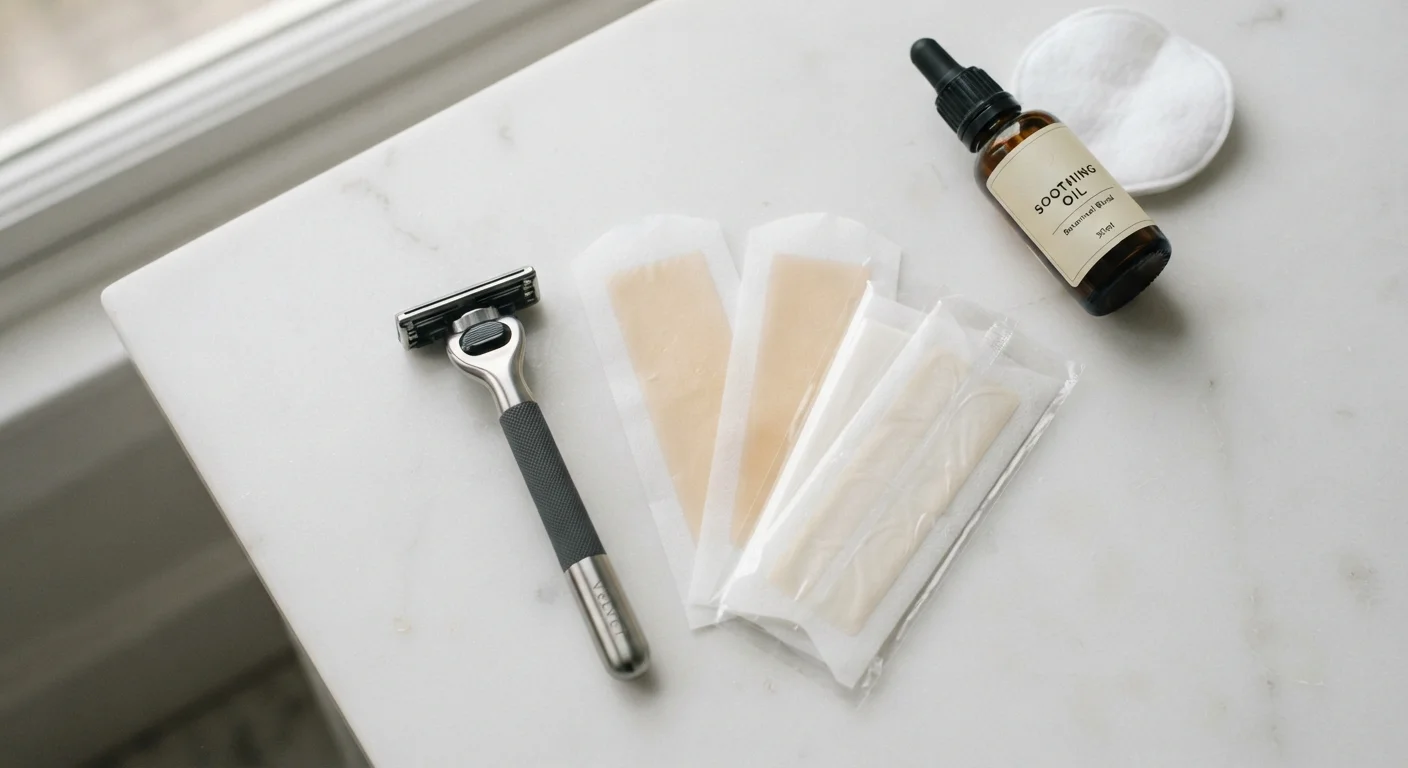
Neither waxing nor shaving is universally superior — the better choice depends on your priorities. Shaving wins on convenience, cost, and zero pain threshold. Waxing wins on longevity of results and, for some users, smoother regrowth over time. Most people find their preference through trial rather than theory.
| Best for | Recommended |
|---|---|
| Those who want quick, low-cost, painless hair removal | Shaving |
| Those prioritising longer-lasting smoothness | Waxing |
| Those with sensitive skin prone to razor irritation | Waxing (with patch testing) |
| Those with low pain tolerance or no access to salon services | Shaving |
How Each Method Actually Works
Understanding the mechanics behind each method helps explain why their results differ so dramatically. Shaving uses a blade to cut hair at or just below the skin's surface. The hair follicle remains completely intact, which is why regrowth appears quickly — often within one to three days — and feels blunt-tipped at first, giving the impression of coarser growth. (It doesn't actually change hair texture; that's a common myth worth dispelling. See common grooming myths tested against evidence for more on this.)
Waxing works differently: a warm or cold wax is applied to the skin, adheres to the hair, and when removed — either with a cloth strip or by itself — pulls hairs out from the root. Because the entire follicle is cleared, regrowth takes considerably longer, typically three to six weeks. Over repeated waxing sessions, some people notice progressively finer, sparser regrowth, though this varies considerably by individual and body area.
For a broader look at how these compare to other options like threading, depilatory creams, and laser, see our clear-eyed overview of every hair removal method.
Pain, Skin Sensitivity, and Irritation Risk
Pain is perhaps the starkest difference between the two. Shaving is essentially painless when done correctly, though skin irritation — razor burn, redness, and ingrown hairs — is common when technique or equipment is lacking. Understanding what causes razor irritation can make a significant difference here; factors like blade sharpness, shaving direction, and skin preparation all matter.
Waxing involves a real pain component, particularly on sensitive areas like the bikini line, underarms, and upper lip. Pain tolerance is highly individual, and first-time experiences are often more intense than subsequent sessions as the skin and follicles adapt. Those with very sensitive skin should do a patch test before full application, and anyone using prescription retinoids or certain acne medications should consult a dermatologist before waxing, as these can thin the skin and increase injury risk.
Medication and Skin Condition Cautions
If you use prescription retinoids, isotretinoin, or certain acne treatments, waxing may not be appropriate — these medications can thin or sensitise the skin, increasing the risk of tearing or irritation. Similarly, those with active skin conditions such as eczema, psoriasis, or sunburn should avoid waxing affected areas. Always consult a dermatologist if you're unsure whether either method is suitable for your skin.
Both methods carry some ingrown hair risk. With shaving, sharp regrowth edges can curl back into the skin more readily. With waxing, the risk also exists — especially if hair breaks at the root rather than being fully removed. Consistent exfoliation between sessions can help reduce frequency for either method. For a closer look at why ingrowns form, see our guide on ingrown hairs and how to reduce them.
Cost, Convenience, and Practical Fit
Shaving is the more accessible option by most practical measures. Razors and shaving cream are widely available at low cost, the process takes minutes at home, and there's no minimum hair length required. The ongoing expense comes from blade replacement, which varies depending on how frequently you shave and what type of razor you use. For a side-by-side look at razor options themselves, the comparison of electric shavers vs cartridge razors covers the key differences.
Waxing carries higher per-session costs, especially for professional salon appointments. At-home waxing kits reduce the expense but require more preparation and practice to use safely and effectively. There's also a practical constraint: hair generally needs to be at least a quarter-inch long before waxing is possible, which means planning ahead and tolerating a period of visible growth between sessions.
| Shaving | Waxing | |
|---|---|---|
| How it works | Cuts hair at the skin surface | Removes hair from the root |
| Typical results duration | 1–3 days | 3–6 weeks |
| Pain level | Minimal to none | Moderate to high |
| Upfront cost | Low | Moderate to high |
| At-home suitability | Very easy | Possible but requires practice |
| Minimum hair length needed | None | Approx. ¼ inch |
| Ingrown hair risk | Moderate | Moderate (may reduce over time) |
| Sensitive skin suitability | Varies; technique-dependent | Patch test recommended |
On balance, shaving fits more easily into spontaneous or frequent routines, while waxing suits those who prefer less frequent maintenance and can plan their schedule around it.
Which Method Suits Different Needs
There's no single right answer — the better method depends on factors including skin sensitivity, body area, lifestyle pace, and personal comfort with discomfort. Some people use waxing for certain areas (legs, bikini line) and shaving for others (underarms, face) based on practicality and results. This kind of mixed approach is entirely reasonable and more common than committing fully to one method.
Those with darker or coarser hair may find waxing results in smoother-looking skin between appointments, since there's no visible stubble. Those with very fine hair may not notice a significant difference in results between the two methods. Skin tone and hair color can also affect how visible regrowth appears, which influences perceived satisfaction with either method.
Anyone with specific skin conditions — such as eczema, psoriasis, or active breakouts — should approach both methods with care and consider checking with a dermatologist before committing to either, particularly for sensitive or affected areas.
This article is for general informational purposes only and does not constitute medical or dermatological advice. Consult a qualified healthcare professional for guidance specific to your skin type or condition.