

Key Takeaways
Our Verdict
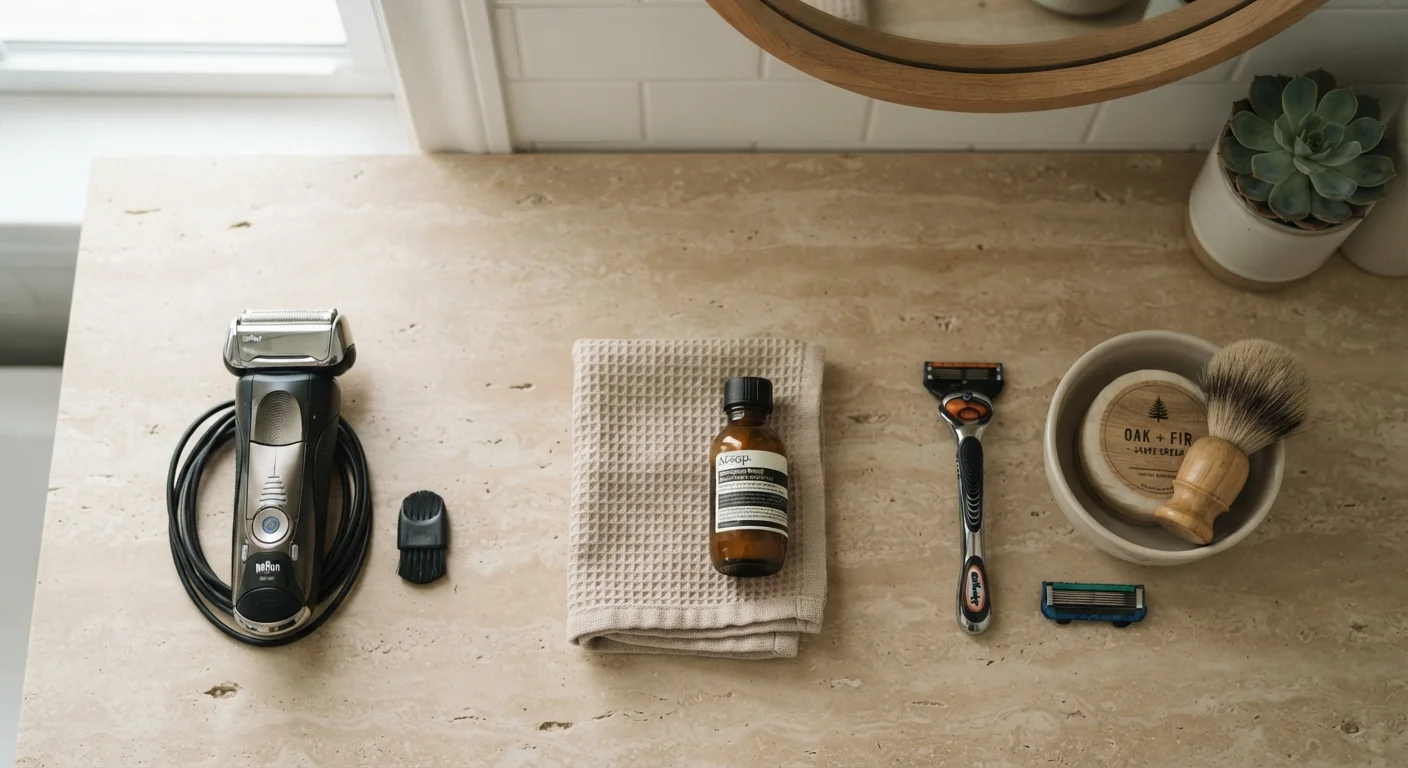
Electric shavers and cartridge razors each solve different problems. The electric shaver rewards those who value speed, skin comfort, and convenience. The cartridge razor rewards those who prioritize closeness and tactile precision, provided they use good technique and aftercare. Neither option is objectively better — they suit different skin types, lifestyles, and grooming goals.
| Best for | Recommended |
|---|---|
| Sensitive or acne-prone skin prone to irritation | Electric Shaver |
| Those who want the closest possible shave | Cartridge Razor |
| Busy routines with minimal prep time | Electric Shaver |
| Lower upfront spending with flexibility | Cartridge Razor |
How Each Method Actually Removes Hair
Understanding what each tool does mechanically helps explain most of the trade-offs. A cartridge razor uses one or more exposed blades that glide directly along the skin surface, cutting hair at or just below the skin line. Multi-blade designs lift the hair slightly before cutting, which contributes to a closer result — but also increases the chance of hair being cut below the follicle opening, raising ingrown hair risk.
An electric shaver works differently. Foil shavers use an oscillating blade beneath a thin perforated screen; rotary shavers use spinning circular cutters. In both cases, the blades never directly contact the skin, which is the primary reason electric shavers tend to cause less acute irritation. Hair is cut above the skin surface, so the result is rarely as close as a blade shave — but the tradeoff is meaningful for many skin types.
For a broader look at how shaving compares to other removal approaches, see Body Hair Removal: A Clear-Eyed Look at Every Method covering what each option actually involves.
Closeness, Comfort, and Skin Feel
Closeness is where cartridge razors consistently have the upper hand. Dermatologists and grooming specialists widely agree that a well-executed wet shave with a sharp cartridge blade will produce a smoother result than most electric shavers. For those shaving their face or legs before a special occasion, this difference can matter.
Comfort, however, is a different story. Electric shavers are widely recommended for people with sensitive skin, a tendency toward razor burn, or conditions like pseudofolliculitis barbae (commonly called razor bumps), which are more common among those with tightly coiled hair. Because the blade doesn't scrape the skin directly, the inflammatory response is generally lower.
Cartridge razors require proper prep — warm water, a lubricating shave gel or cream, and a light, consistent hand. Without these, the risk of irritation climbs significantly. If your skin reacts consistently, Why Your Razor Keeps Giving You Irritation may point toward a technique or prep issue rather than the tool itself.
| Electric Shaver | Cartridge Razor | |
|---|---|---|
| Closeness of shave | Moderate — above skin surface | High — at or below skin line |
| Skin irritation risk | Lower — blade doesn't contact skin | Higher — direct blade contact |
| Ingrown hair risk | Lower for most hair types | Higher, especially for coiled hair |
| Upfront cost | Higher initial investment | Low to moderate for handle |
| Ongoing cost | Lower — infrequent head replacement | Ongoing cartridge replacement expense |
| Prep time required | Minimal — often dry shave ready | Moderate — water and lather needed |
| Travel convenience | High — cordless models available | Moderate — needs water access |
Cost Over Time: What You Actually Spend
The upfront cost of a quality electric shaver is considerably higher than a starter cartridge razor handle. However, ongoing costs flip the equation. Replacement cartridges — especially multi-blade designs — accumulate expense quickly. A typical cartridge replacement schedule can add up significantly over a year of regular shaving.
Electric shavers require head replacement or blade servicing less frequently (often annually or less), and many models can be rinsed clean without additional products. For those who shave dry, there's no ongoing spend on gel or cream either.
Neither option is inherently more economical for everyone — it depends on how often you shave, how quickly you go through cartridges, and whether you opt for premium consumables.
2–4 weeks
Skin adaptation period when switching to electric
Grooming specialists commonly note that skin and hair texture adjust over this period, during which shave quality may temporarily feel inconsistent.
~$100–$300+
Typical upfront cost range for quality electric shavers
Consumer retail data consistently shows electric shavers carry a significantly higher initial price point compared to cartridge razor handles, which often retail for under $15.
Routine Fit and Practical Considerations
Cartridge razors require a water source, usually benefit from shave prep products, and involve rinsing and drying. This makes them well-suited to in-shower routines but less convenient for travel or rushed mornings. Blade sharpness degrades with use, and a dull cartridge significantly increases irritation risk — a factor worth monitoring.
Electric shavers offer genuine convenience. Many models work dry, without any prep, and can be used at a desk or on the go. Cordless designs charge between uses. However, some people find the adjustment period uncomfortable if switching from blades — the skin and hair adapt over two to four weeks, during which results may feel suboptimal.
Hair texture also plays a role. Coarse, dense hair can wear down cartridge blades faster and may stress foil shavers more; fine hair tends to work well with both. If you're also navigating post-shave skin texture or looking to refine your skincare routine, chemical exfoliants vs. physical scrubs is worth reading alongside your shaving method review.
This article is for general informational purposes only. If you have a skin condition or specific dermatological concerns, consult a qualified healthcare professional or board-certified dermatologist before changing your shaving routine.