

Key Takeaways
Body Odour
Body odour is the distinctive smell produced when bacteria on the skin break down compounds found in sweat. It is a natural biological process influenced by your sweat glands, skin microbiome, genetics, and lifestyle factors. Everyone produces body odour to some degree — variation in intensity and character is entirely normal.
The primary odour-producing sweat glands are apocrine glands, concentrated in the underarms, groin, and chest. These secrete protein- and lipid-rich fluids that skin bacteria metabolise into odorous compounds such as thioalcohols and short-chain fatty acids.
How the Body Produces Odour
The human body has two main types of sweat glands. Eccrine glands are distributed across most of the body and produce a watery sweat primarily for temperature regulation — this sweat is mostly odourless. Apocrine glands, by contrast, are concentrated in the underarms, groin, chest, and scalp. They become active at puberty and secrete a thicker fluid rich in proteins, lipids, and steroids.
On its own, apocrine secretion is still largely odour-free. The distinctive smell we associate with body odour develops when the naturally occurring bacteria on your skin — your skin microbiome — metabolise those secretions. The by-products of this bacterial activity include volatile compounds such as thioalcohols (which have a sulfurous character) and short-chain fatty acids (which can produce sour or cheesy notes). The specific blend of bacteria you carry is partly unique to you, which is one reason body odour smells different from person to person.
~2 million
Eccrine sweat glands in the average human body
According to dermatological literature, eccrine glands are distributed across nearly the entire body surface and primarily regulate temperature.
~1 in 3
Adults who carry the low-odour ABCC11 gene variant
Research published in the Journal of Investigative Dermatology found this variant is prevalent in East Asian populations and strongly associated with reduced apocrine secretion.
What Shapes the Way You Smell
Body odour is not fixed — it is shaped by a layered mix of internal and external factors.
- Genetics: The ABCC11 gene determines both earwax type and the composition of apocrine secretions. Individuals with one variant of this gene produce significantly less odorous compounds, and many require little to no deodorant as a result.
- Diet: Garlic, onions, cruciferous vegetables, and red meat can all alter the odour profile of your sweat. These effects are temporary and reflect how volatile compounds from digestion are excreted through the skin.
- Hormones: Hormonal changes during puberty, menstruation, pregnancy, and menopause influence apocrine gland activity, affecting both sweat volume and composition.
- Stress: Emotional stress specifically activates apocrine glands, producing a sweat that is more compositionally complex than the sweat generated by exercise or heat.
- Medications and health conditions: Certain medications and conditions — including diabetes and kidney disease — can change sweat chemistry in ways that alter body odour.
Where Fragrance Fits In
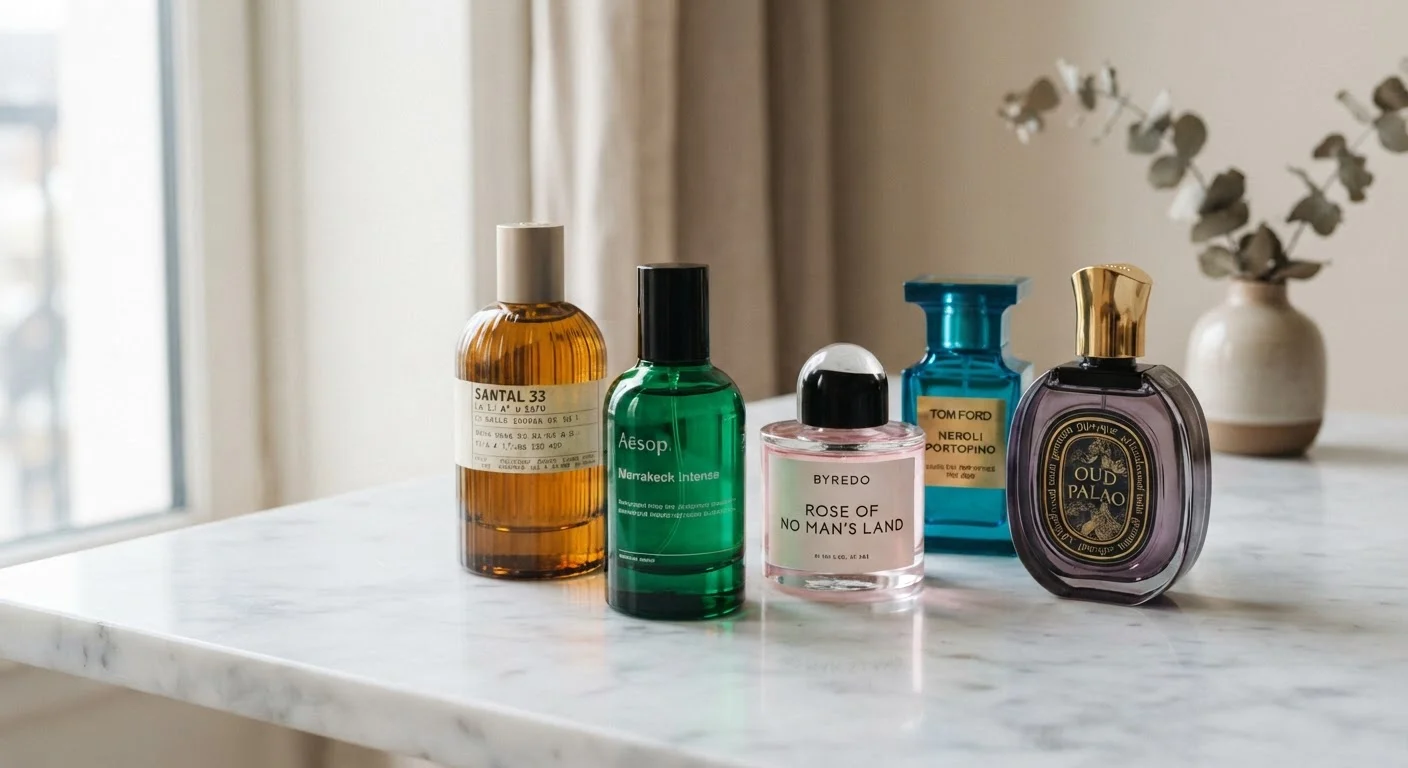
Fragrance products — colognes, body sprays, scented lotions — work by layering a new scent over the skin rather than addressing the bacterial activity that creates odour. This distinction matters for anyone trying to manage body odour effectively.
The aromatic compounds in fragrance interact with your skin chemistry, which is why the same perfume can smell noticeably different on two people. Skin pH, hydration levels, and the warmth of pulse points all influence how a scent develops and how long it lasts. Applying fragrance to moisturised skin generally improves longevity because dry skin tends to absorb and dissipate scent molecules faster. For more on managing the root cause of body odour rather than masking it, see our guide to deodorants and antiperspirants.
It is also worth noting that fragrance can interact with dry or sensitive skin. If you experience irritation, consider applying scent to clothing or hair rather than directly to skin. For those dealing with skin dryness alongside odour concerns, understanding dry skin on the body is a useful companion read.
This article is for general informational purposes only and does not constitute medical advice. If you have concerns about changes in your body odour or skin health, consult a qualified healthcare professional.