

Key Takeaways
Summary
18 items · 45–90 minutes
Why Pre-Winter Plumbing Checks Matter
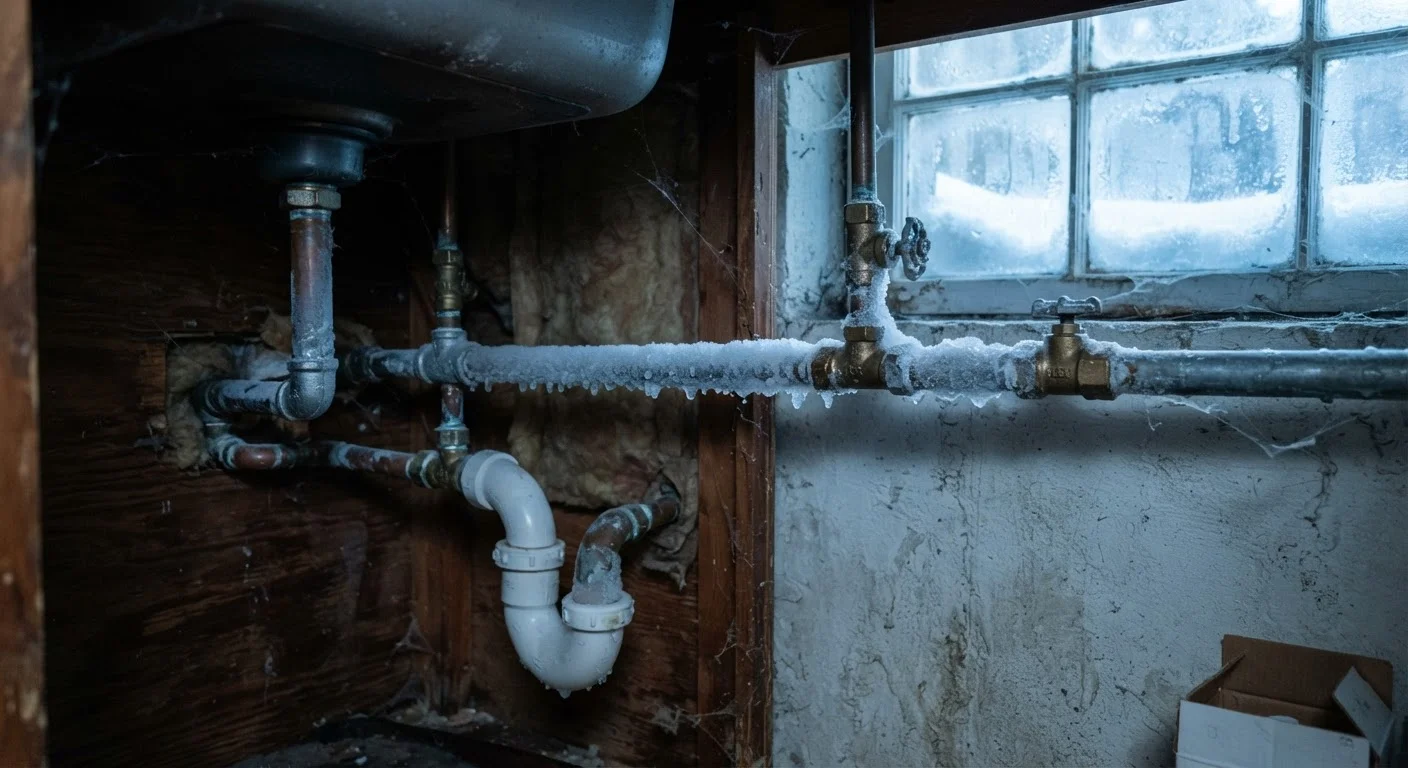
Water damage from burst pipes is among the most expensive home repair scenarios a homeowner can face. When water inside a pipe freezes, it expands — and that pressure can split copper, crack plastic fittings, or blow joints apart. The damage often doesn't show itself until the thaw, by which point water has already soaked into walls, subfloors, and ceilings.
The good news: most freeze-related failures are preventable with a methodical inspection in the weeks before temperatures consistently drop below 32°F. This checklist walks you through every system worth checking, from your outdoor taps to your hot water heater. It fits naturally into the broader home upkeep routine outlined in your home's annual maintenance calendar.
Know When to Call a Licensed Plumber
If at any point you discover a burst pipe, significant corrosion, a failing T&P valve, or any issue involving your water heater's gas or electrical connections, do not attempt to repair it yourself. These situations require a licensed, qualified plumber. Working on gas-connected appliances without proper training and permits is dangerous and may violate local building codes.
If at any point you discover a burst pipe, significant corrosion, or a gas-adjacent water heater issue you're unsure how to handle, stop and call a licensed plumber. Some repairs carry real safety risk and require a professional.
What You'll Need Before You Start
Gather your tools and materials ahead of time so the inspection goes smoothly. You don't need specialized equipment for most of these checks — just basic supplies and a methodical approach.
Foam pipe insulation sleeves
Wrap around exposed pipes in unheated areas to slow heat loss and reduce freeze risk.
Outdoor faucet covers (foam dome style)
Slip over exterior hose bibs to insulate them against freezing air.
Flashlight or headlamp
Illuminate crawl spaces, under-sink cabinets, and dark basement corners during inspection.
Bucket and garden hose (short section)
Used when flushing sediment from the water heater drain valve.
Expanding foam or exterior caulk
Seal gaps and cracks in exterior walls where cold air could reach interior pipes.
Pipe repair tape or clamps
Temporary fix for minor pipe cracks found during inspection — not a substitute for professional repair.
The Winter Plumbing Checklist
Work through these grouped checks room by room and area by area. Mark off each item as you go, and note anything that needs a follow-up repair.
Outdoor Water Lines & Hose Bibs
Exposed & At-Risk Interior Pipes
Main Shutoff Valve & Meter
Water Heater
Indoor Drains & Fixtures
Don't Ignore Small Drips or Rust Stains
A slow drip or orange rust stain around a fitting can signal a joint under stress — one that may fail entirely when pipes contract in cold temperatures. Don't wait until spring to investigate. Have a licensed plumber assess any suspicious moisture before the freeze season arrives.
After the Checklist: What to Do Next
Once you've completed your inspection, address any flagged items promptly — before the first cold snap arrives. Pipe insulation sleeves (sometimes called foam pipe wrap) are widely available at hardware stores and straightforward to install on accessible straight runs of pipe. For pipes in tricky locations — inside walls, below slabs, or near electrical systems — have a licensed plumber assess the risk.
Set your thermostat no lower than 55°F if you plan to be away from home during cold stretches, and leave cabinet doors under sinks open on particularly cold nights so warm indoor air can reach those pipes. If you have a vacation property, consider having the water supply shut off and lines professionally blown out before you leave for the season.
For a full picture of what other systems to check as the seasons shift, see our complete home maintenance guide — it covers HVAC, roofing, electrical, and exterior upkeep alongside plumbing. And if you're running a parallel checklist on your vehicle before winter, seasonal vehicle prep covers that ground in detail.