
Movement Snacks: The Science Behind Exercising in Small Bursts Throughout the Day

Key Takeaways
Movement Snacks
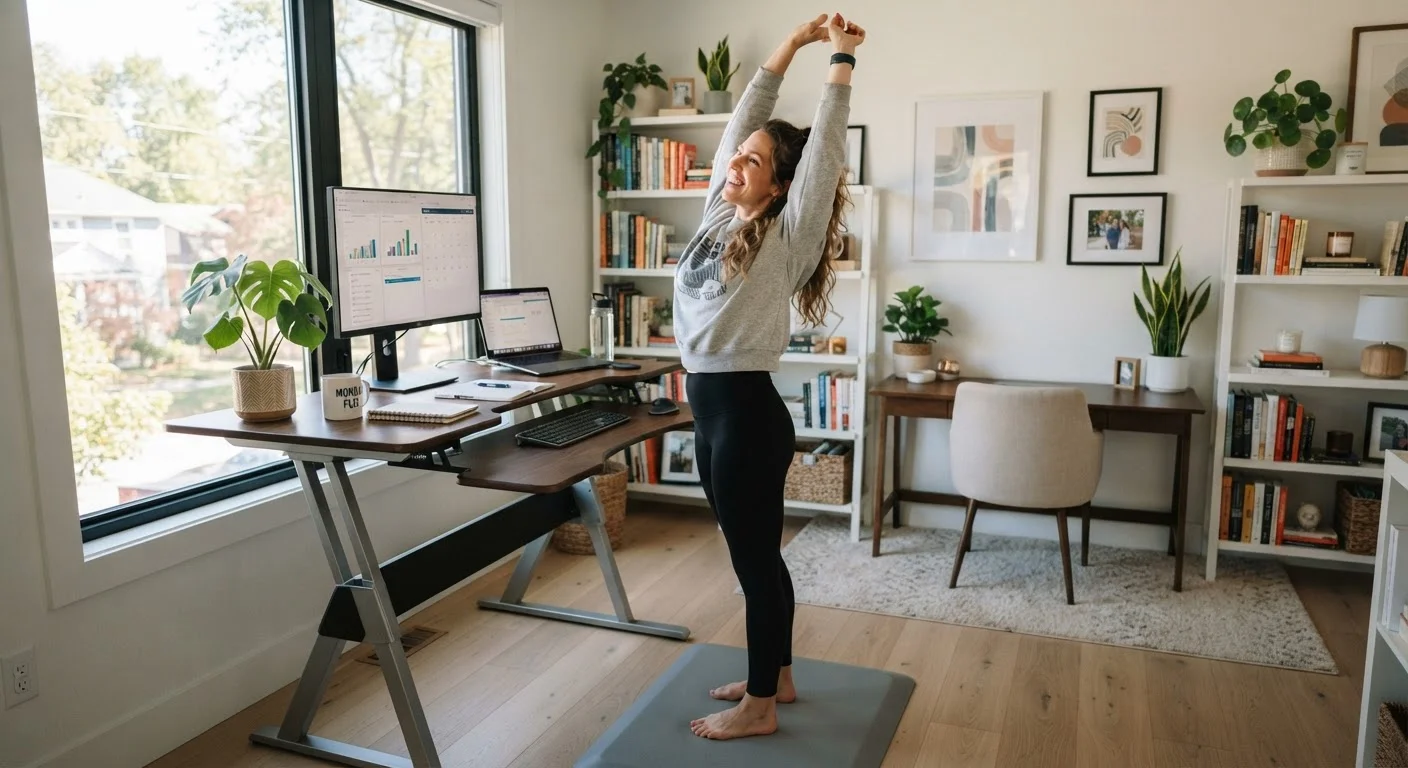
Movement snacks are brief, intentional bouts of physical activity — typically lasting anywhere from one to ten minutes — spread throughout the day rather than concentrated in a single workout session. The idea is that small doses of movement, taken regularly, can accumulate into a meaningful contribution to overall physical health. Think of it like snacking between meals: small, frequent inputs rather than one large event.
In exercise science literature, these are sometimes called "exercise snacks" or "activity breaks" and are studied as a strategy to interrupt prolonged sedentary behavior and stimulate metabolic and cardiovascular responses.
What the Research Actually Shows
The term "movement snack" may sound informal, but the concept has attracted serious scientific attention. Studies published in journals including Applied Physiology, Nutrition, and Metabolism have examined whether short, repeated bouts of activity — spread across the day — can produce the same metabolic benefits as a single continuous session of comparable total duration. The findings are encouraging.
One area of particular interest is blood glucose regulation. Research has shown that brief walks or light activity taken after meals can reduce post-meal blood sugar spikes more effectively than a single equivalent-length walk taken at a different time. For people managing metabolic health, this timing dimension adds practical value to the movement-snack approach.
Cardiovascular markers also respond positively. Studies have found that breaking up prolonged sitting with short bouts of moderate activity can lower blood pressure and improve circulation, even when total daily movement remains modest. These findings challenge the older assumption that exercise must be sustained to be worthwhile.
~30 min
Recommended maximum before a movement break
Some exercise researchers suggest breaking up sitting time at least every 30 minutes to reduce the metabolic downsides of prolonged sedentary behavior.
11%
Reduction in all-cause mortality risk
A 2023 analysis published in the British Journal of Sports Medicine found that replacing 30 minutes of daily sitting with light-intensity movement was associated with meaningful reductions in mortality risk.
1–5 min
Minimum effective movement snack duration
Studies have documented measurable cardiovascular and metabolic responses from bouts of vigorous activity as short as one minute, though moderate-intensity snacks typically require slightly longer durations.
Why Sitting for Long Stretches Is the Real Problem
Understanding movement snacks requires understanding what they interrupt: prolonged sedentary behavior. Sitting for extended, unbroken periods has been associated with higher risks of cardiovascular disease, type 2 diabetes, and all-cause mortality — even among people who exercise regularly outside of work hours. This is sometimes described in research as the "active couch potato" paradox.
The mechanism involves how muscles behave during inactivity. When large muscle groups like the legs remain unused for hours, their ability to regulate blood sugar and circulate blood efficiently decreases. Brief movement reactivates these systems. Even standing and doing a two-minute walk can prompt measurable improvements in vascular function.
This is one reason movement snacks are especially relevant for desk-based workers, remote employees, and anyone whose daily structure involves long periods in a chair. The goal is not to exhaust yourself — it is simply to interrupt the unbroken stretch. For a broader look at building activity into daily life without a gym, see our complete guide to everyday movement.
How to Build Movement Snacks Into a Real Day
The practical appeal of movement snacks is that they require almost no equipment, planning, or dedicated time block. They are designed to fit inside the gaps that already exist in your schedule. Here are realistic ways to apply the concept:
- Stair climbing: Taking the stairs instead of an elevator for two or three floors qualifies as a movement snack and meaningfully elevates heart rate.
- Bodyweight exercises at your desk: A set of ten to fifteen squats or calf raises during a call or before a meeting adds up across the day.
- Short walks: A five-minute walk around the block before lunch or after dinner targets post-meal blood sugar response directly.
- Stretching and mobility work: Light stretching or hip circles during a screen break reduces muscular tension accumulated from sitting.
Setting a low-friction trigger — like standing every time you finish a task, or moving before you make a coffee — helps make the habit automatic. If you are building this into a broader daily framework, our daily reset checklist offers a practical structure for anchoring small habits like these.
Start With Just Two Snacks a Day
If adding movement throughout the day feels overwhelming, begin with just two intentional movement breaks — one in the morning and one in the afternoon. Even two five-minute walks add ten minutes of activity to your day and help establish the habit before scaling up. Consistency over days matters far more than intensity on any single day.
Fitting Movement Snacks Into a Sustainable Routine
Movement snacks work best when they are part of a broader intention to stay physically active — not a replacement for any meaningful exercise altogether. Current guidelines from major public health organizations recommend at least 150 minutes of moderate-intensity aerobic activity per week, and movement snacks are an effective way to accumulate a portion of that total for people with unpredictable schedules.
Importantly, research suggests that the physiological benefits are largely additive: ten minutes of brisk walking done in two five-minute bouts appears to deliver comparable benefits to ten continuous minutes. That equivalence is the scientific backbone of the movement-snack concept.
If you are ready to build this approach into a more structured weekly plan, our guide to building a weekly movement routine explores how to design consistent habits around your real schedule and energy levels. And if you are returning to movement after a long period of inactivity, see our guide on returning to exercise after a long break for a measured starting approach.
This article is for general informational purposes only and does not constitute medical advice. Consult a qualified healthcare professional before making significant changes to your physical activity habits, particularly if you have an existing health condition.