

Key Takeaways
Our Verdict
Useful snacks share a common structure: they provide meaningful nutrients — protein, fiber, or healthy fats — that help sustain energy and manage appetite between meals. Empty snacks typically deliver calories with little nutritional payoff, accelerating the hunger cycle rather than interrupting it. The good news is that small, consistent shifts in snack composition can make a meaningful difference in overall dietary quality over time.
| Best for | Recommended |
|---|---|
| Those seeking sustained energy between meals | Nutrient-dense snacks with protein and fiber |
| Readers managing appetite or blood sugar levels | Protein-forward snacks with healthy fats |
| Busy individuals with little prep time | Simple whole-food combinations like nuts and fruit |
| Those new to thinking about nutrition | Start with label-reading skills before overhauling snack choices |
What Makes a Snack 'Useful'?
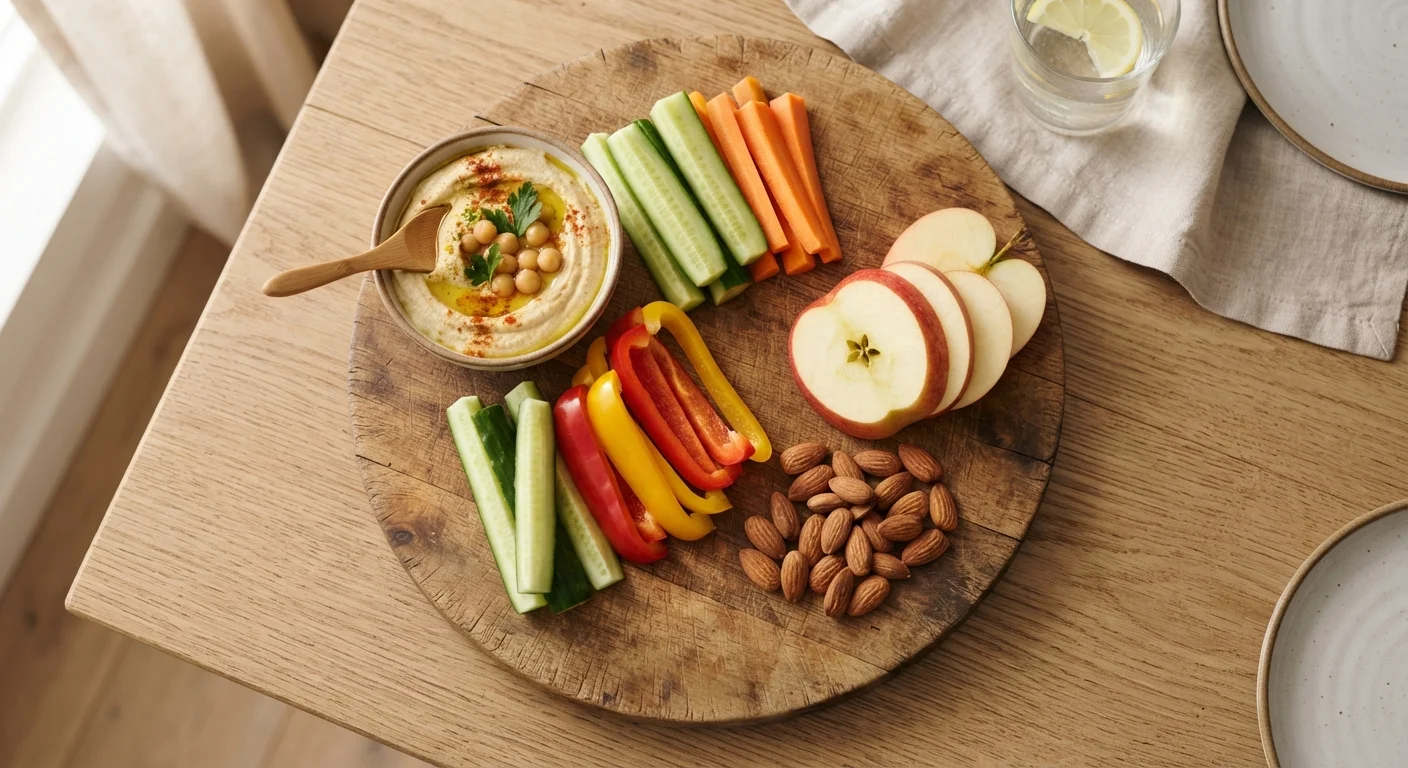
The word snack covers an enormous range of foods — from a handful of walnuts to a sleeve of crackers — but nutrition science draws a meaningful distinction between snacks that serve a purpose and those that simply fill a moment. A useful snack is one that contributes something your body can work with: protein to support satiety, fiber to slow digestion, or healthy fats to provide sustained fuel.
This isn't about perfection. As explored in our guide to eating patterns over perfect meals, overall dietary habits matter more than any single food choice. But understanding snack quality helps build better habits day by day.
A useful snack generally:
- Contains at least one substantial macronutrient (protein, fiber-rich carbohydrate, or fat)
- Requires digestion time, slowing the return of hunger
- Fits within your actual hunger cues rather than routine or boredom
What Makes a Snack 'Empty'?
Empty-calorie snacks deliver energy — usually from refined sugar or starch — without meaningful fiber, protein, or micronutrients. Because they digest quickly, they may spike blood glucose and leave you hungry again within an hour. Common examples include many flavored crackers, candy, sweetened beverages, and ultra-processed chip products.
That doesn't mean these foods are forbidden. Context matters, and treating food as purely functional ignores the legitimate role of enjoyment in eating. But leaning heavily on empty snacks throughout the day can crowd out more nutrient-dense choices and disrupt appetite regulation over time.
Snacking as an Emotional Response
Frequent snacking that feels driven by stress, anxiety, or boredom rather than hunger is worth paying attention to. This pattern can disrupt appetite regulation and may signal a habit worth examining with professional support. A registered dietitian or mental health professional can help identify and address food-related behavioral patterns.
If snacking feels compulsive or emotionally driven rather than hunger-based, that pattern is worth reflecting on separately — and potentially discussing with a registered dietitian or healthcare provider.
Useful vs. Empty: A Side-by-Side Look
The comparison below illustrates how common snack pairings differ across key nutritional dimensions. Note that these are general patterns, not assessments of specific branded products.
| Useful Snack Example | Empty Snack Example | |
|---|---|---|
| Example | Apple slices with almond butter | Sweetened fruit snack pouch |
| Protein content | Moderate (from nut butter) | Minimal to none |
| Fiber content | Good (from fruit + nut) | Low (refined sugars dominate) |
| Satiety duration | Longer — 2 to 3 hours | Shorter — under 1 hour |
| Added sugars | None or minimal | Often high |
| Micronutrient value | Vitamins, minerals, healthy fats | Little beyond calories |
| Prep required | Minimal (slice and portion) | None |
When evaluating a snack, a simple rule of thumb from nutrition basics: look for at least two of the three — protein, fiber, healthy fat. A single nutrient is less effective at sustaining fullness than a combination.
Timing and Hunger Cues
Even a nutritionally solid snack can undermine your overall eating pattern if you're snacking when you aren't genuinely hungry. Eating in response to stress, habit, or screen-time boredom — rather than physical hunger — tends to add calories without providing the satiety benefit a snack is supposed to deliver.
A practical approach: before reaching for a snack, pause and assess whether you're experiencing physical hunger signals (stomach emptiness, mild fatigue, difficulty concentrating) versus a behavioral or emotional prompt. This isn't about restriction — it's about eating with more intention.
If you're building a broader picture of your weekly nutrition, the weekly meal planning nutritional audit offers a structured way to spot snacking patterns across the week alongside your main meals.
Building Better Snack Habits
You don't need to overhaul your pantry overnight. Small, deliberate shifts in snack composition tend to be more sustainable than strict rules. Some evidence-backed starting points:
- Pair carbohydrates with protein or fat. Fruit alone digests quickly; fruit with a small portion of nut butter or cheese slows that process.
- Read ingredient labels for added sugars. Products listing sugar, high-fructose corn syrup, or similar names in the first few ingredients are typically higher in empty calories.
- Keep ready-to-eat whole foods accessible. Availability shapes behavior — if a nutritious snack is as easy to grab as a processed one, you're more likely to choose it.
- Mind portion size. Even nutrient-dense snacks like nuts are calorie-dense; a small portion is typically sufficient to bridge hunger between meals.
For readers just starting to think about food choices, our beginner's guide to healthy eating covers foundational principles that put snacking in broader context.
This article is for general informational purposes only and is not a substitute for personalized medical or dietary advice. If you have specific health conditions or concerns, consult a qualified healthcare professional or registered dietitian.