

Key Takeaways
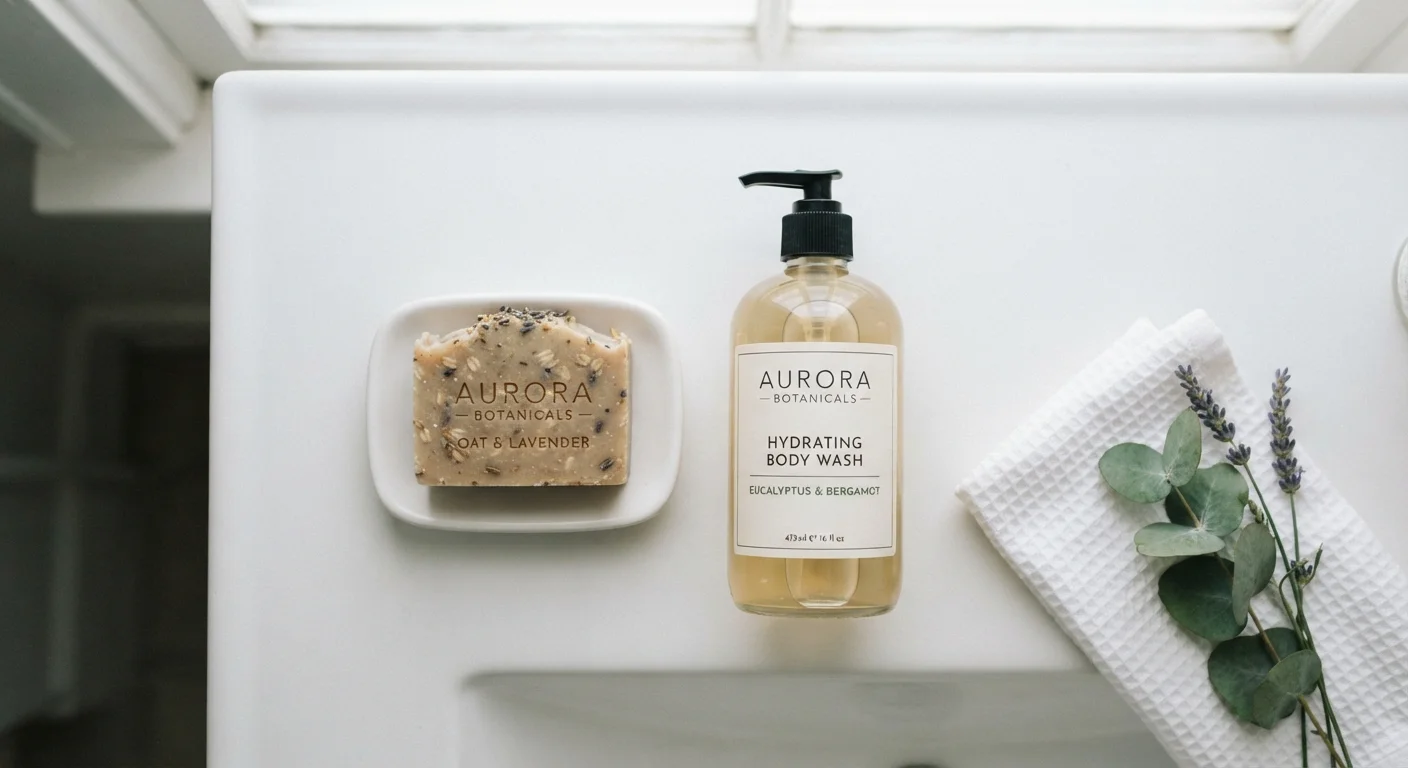
Option A
Bar Soap
The time-tested, no-frills cleanser.
Best for: Environmentally conscious users and those who prefer a simple, minimal-ingredient cleanse.
Option B
Body Wash
The hydrating, sensory-forward shower staple.
Best for: People with dry or sensitive skin who want added moisture and a customizable, liquid formula.
If you have dry or eczema-prone skin
Body Wash
Hydrating body washes with added humectants like glycerin help preserve the skin barrier, which can be especially beneficial for dry or reactive skin types.
If sustainability is your top priority
Bar Soap
Bar soap uses significantly less packaging and has a lower carbon footprint in production and shipping compared to bottled body wash.
If you prefer a minimal, low-ingredient routine
Bar Soap
Traditional bar soaps tend to have shorter ingredient lists, making them easier to evaluate for anyone avoiding specific additives or preservatives.
If you share a bathroom or value hygiene convenience
Body Wash
Liquid body wash dispensed via a pump or loofah avoids the shared-surface contact of a bar, which some people prefer from a hygiene standpoint.
If you have oily or acne-prone skin on your body
Bar Soap
A gentle, non-comedogenic bar soap can effectively remove excess oil without adding heavy emollients that some oilier skin types may not need.
How Each Cleanser Actually Works
Bar soap and body wash share the same fundamental goal — removing dirt, oil, sweat, and bacteria from skin — but they achieve it through different chemistry. Traditional bar soap is made through a process called saponification, where fats or oils are combined with an alkali (such as sodium hydroxide) to produce soap molecules. These molecules have one end that attracts water and one that attracts oil, allowing them to lift debris from the skin's surface and rinse it away.
Body wash is a synthetic detergent (or "syndet") formulation. It uses surfactants — surface-active agents — to do the same cleansing job, but these are typically formulated at a pH much closer to the skin's own natural range. Many body washes also include conditioning agents like glycerin, shea butter, or hyaluronic acid that stay on the skin after rinsing.
One meaningful difference is pH. Healthy skin has a slightly acidic surface pH, roughly between 4.5 and 5.5. Traditional bar soaps tend to fall in the 9–10 pH range. This alkalinity can temporarily disrupt the skin's acid mantle — the thin protective film on the outer layer — which may matter most for people with dry, sensitive, or compromised skin. Modern syndet bars and many body washes are formulated closer to skin's natural pH.
| Criterion | Bar Soap | Body Wash |
|---|---|---|
| Typical pH | 9–10 (traditional); lower for syndet bars | 5–7 (closer to skin's natural pH) |
| Moisturizing agents | Minimal in standard bars | Often includes glycerin, oils, ceramides |
| Cleansing effectiveness | Effective for all skin types | Effective for all skin types |
| Environmental footprint | Lower — minimal packaging | Higher — plastic bottle, water-heavy |
| Hygiene (shared use) | Shared surface contact | Pump/dispenser avoids surface contact |
| Ingredient complexity | Typically simpler formulas | Often longer ingredient lists |
| Cost per use | Generally lower | Varies; often higher |
Skin Type Matters More Than the Format
There's no universal winner here — the right choice depends largely on your skin's needs. For those with dry or eczema-prone skin, a moisturizing body wash with humectants and emollients may help prevent moisture loss during cleansing. Look for ingredients like glycerin, ceramides, or oat extract, which are commonly found in formulas marketed for sensitive skin.
People with oily or normal skin often do well with either format. A gentle bar soap — particularly a syndet bar formulated at a lower pH — can cleanse effectively without leaving behind residue. Those with oily or breakout-prone body skin may actually find that some body washes feel too rich or occlusive.
Fragrance is worth flagging for any skin type. Both bar soaps and body washes frequently contain synthetic or natural fragrances, which are among the most common contact allergens in personal care products. If you notice redness, itching, or irritation after cleansing, switching to a fragrance-free option in either category is a sensible first step. Consulting a dermatologist is advisable if irritation persists.
A Note on Syndet Bars
Not all bar cleansers are traditional soap. Syndet (synthetic detergent) bars look and feel like bar soap but are formulated with surfactants and a pH closer to the skin's natural range — typically between 5.5 and 7. They're a useful middle ground for people who prefer bar format but want a gentler pH profile. If pH sensitivity is a concern for you, checking the product label or the brand's formulation details is a worthwhile step.
It's also worth considering how you lather. Using a loofah or washcloth with body wash can distribute the product efficiently but requires regular cleaning of the applicator itself — a damp loofah left in the shower can harbor bacteria and mold if not rinsed and dried properly.
Environmental and Practical Considerations
Beyond the skin, there are practical reasons many people are reconsidering bar soap. From an environmental standpoint, bar soap typically wins: it requires less packaging (often just paper or cardboard), has a higher concentration of active ingredients per use, and produces fewer plastic waste concerns than bottled body wash. Body wash bottles — even those made of recyclable plastic — frequently end up in landfill.
That said, body wash formulas do contain a high proportion of water, which raises questions about resource use and transportation emissions. Some brands now offer concentrated refill formats or waterless body wash bars that aim to close that gap.
Practically speaking, bar soap tends to last longer per unit weight, which can make it more economical over time. Body wash offers the convenience of easy dispensing, better travel portability in leak-proof bottles, and more precise dosing — all of which matter to different users in different contexts.
For those navigating other cleansing decisions, our guide on exfoliants vs. scrubs offers similar structured thinking about choosing between two valid approaches to skin care. And if you're applying the same framework to hair, washing frequency and hair health walks through what the evidence actually suggests.
This article is for general informational purposes only and does not constitute medical or dermatological advice. If you have a skin condition or persistent irritation, please consult a qualified healthcare professional.